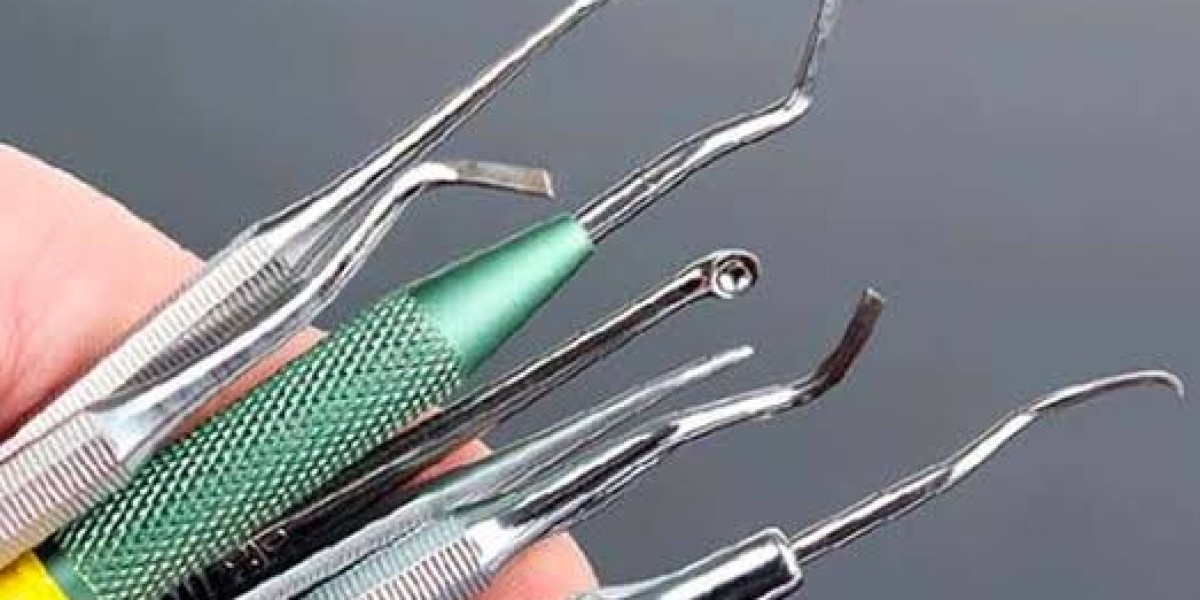

Dental Instrument in US: A Complete 2026 Guide
The healthcare industry continues to evolve, and dentistry is no exception. Every successful dental procedure depends not only on the expertise of the dental professional but also on the quality and reliability of the tools being used. Choosing the right dental instrument in US has become increasingly important as clinics, educational institutions, and laboratories focus on efficiency, patient safety, and long-term value.
Whether you are opening a new dental practice, upgrading existing equipment, or simply learning more about dental instruments, understanding the different categories, maintenance practices, and industry trends can help you make informed decisions.
This comprehensive guide explains everything you need to know about dental instruments in the United States in 2026, including practical tips, common mistakes to avoid, and ways to maximize performance without increasing costs.
What Is a Dental Instrument?
A dental instrument is a specialized tool designed to assist dentists, hygienists, oral surgeons, and dental assistants during examination, diagnosis, treatment, and preventive care.
These instruments are manufactured to meet strict quality and hygiene standards because they come into direct contact with patients during procedures.
Modern dental instruments are designed for:
- Better precision
- Improved patient comfort
- Faster procedures
- Enhanced infection control
- Long-lasting performance
Every dental clinic depends on a combination of manual and specialized instruments to deliver safe and effective treatment.
Types of Dental Instruments
Understanding the major categories makes selecting the right dental instrument in US much easier.
Diagnostic Instruments
These are used to examine the patient's oral health before treatment begins.
Common examples include:
- Mouth mirrors
- Dental explorers
- Periodontal probes
- Cotton pliers
These instruments help detect cavities, gum disease, plaque, and other oral conditions.
Restorative Instruments
These tools assist during restorative procedures such as fillings and tooth repairs.
Examples include:
- Carvers
- Burnishers
- Condensers
- Composite placement instruments
Precision is especially important in this category because even minor inaccuracies can affect restoration quality.
Surgical Instruments
Oral surgery requires instruments designed for maximum control and durability.
Examples include:
- Extraction forceps
- Elevators
- Surgical curettes
- Bone files
- Surgical scissors
Proper sterilization is essential after every procedure.
Periodontal Instruments
These are specifically designed for gum treatment.
Examples include:
- Scalers
- Curettes
- Periodontal probes
They assist in removing plaque and calculus while maintaining healthy gums.
Orthodontic Instruments
Orthodontic procedures require tools that help place and adjust braces or aligners.
Examples include:
- Wire cutters
- Ligature directors
- Bracket positioning instruments
- Band removers
Endodontic Instruments
Root canal treatments depend on specialized instruments that clean and shape root canals.
Examples include:
- Files
- Reamers
- Spreaders
- Pluggers
Their precision directly affects treatment success.
Why Dental Instrument in US Is Important in 2026
The demand for high-quality dental care continues to rise across the United States. Patients now expect treatments that are faster, safer, and more comfortable than ever before.
Several factors make choosing the right dental instrument more important in 2026.
Improved Patient Safety
Quality instruments help reduce procedural risks by providing better precision and control.
Properly designed instruments also improve infection prevention through easier cleaning and sterilization.
Better Clinical Efficiency
Reliable instruments reduce interruptions during treatment.
Benefits include:
- Faster appointments
- Improved workflow
- Less operator fatigue
- More consistent clinical outcomes
Longer Equipment Life
Well-manufactured instruments generally withstand repeated sterilization without losing performance.
This reduces replacement frequency and lowers long-term operating costs.
Enhanced Patient Experience
Patients notice when procedures are smooth and efficient.
Comfortable handling, sharp cutting edges, and ergonomic designs contribute to a better overall experience.
Compliance with Modern Standards
Dental facilities must maintain high standards for safety and infection control.
Using dependable dental instruments supports compliance with current healthcare expectations and regulatory requirements.
How to Choose the Right Dental Instrument in US
Selecting dental instruments should never be based on appearance alone.
Instead, evaluate several important factors.
Material Quality
High-quality stainless steel remains one of the preferred materials because it offers:
- Corrosion resistance
- Strength
- Long service life
- Easy sterilization
Ergonomic Design
Comfort matters during long procedures.
Choose instruments that:
- Reduce hand fatigue
- Provide better grip
- Improve control
- Support natural wrist movement
Procedure Compatibility
Every specialty requires different tools.
Before purchasing, identify:
- General dentistry needs
- Surgical requirements
- Orthodontic procedures
- Endodontic treatments
- Hygiene services
Ease of Sterilization
Select instruments designed to withstand repeated sterilization cycles without damage.
Smooth finishes also make cleaning easier.
Durability
Frequent use demands strong construction.
Inspect:
- Joint quality
- Surface finish
- Cutting edge consistency
- Overall craftsmanship
Step-by-Step Guide to Maintaining Dental Instruments
Proper maintenance significantly extends instrument lifespan.
Step 1: Clean Immediately
Do not allow blood or debris to dry.
Rinse instruments promptly after use.
Step 2: Use Appropriate Cleaning Methods
Cleaning may involve:
- Manual washing
- Ultrasonic cleaning
- Instrument washers
Always follow recommended cleaning procedures.
Step 3: Inspect Carefully
Before sterilization, check for:
- Rust
- Damage
- Loose joints
- Dull edges
- Surface wear
Damaged instruments should be removed from service.
Step 4: Sterilize Correctly
Follow proper sterilization protocols.
Ensure instruments are:
- Properly packaged
- Correctly loaded
- Fully dried
- Stored safely after sterilization
Step 5: Store Properly
Keep instruments in clean, dry environments.
Protect delicate tips from accidental damage.
Common Mistakes People Make with Dental Instrument in US
Many dental professionals unintentionally reduce instrument lifespan through avoidable mistakes.
Skipping Routine Inspection
Small defects often become major problems if ignored.
Inspect instruments regularly.
Using the Wrong Instrument
Every instrument has a specific purpose.
Improvising may damage both the tool and the patient's oral tissues.
Poor Sterilization Practices
Incomplete cleaning before sterilization reduces effectiveness and may compromise infection control.
Improper Storage
Loose storage can dull sharp edges and damage delicate components.
Instrument organizers provide better protection.
Delaying Replacement
Worn instruments reduce precision and increase treatment difficulty.
Replace damaged tools before they affect patient care.
How to Effectively Maintain Dental Instruments Without Extra Cost
Reducing costs does not mean compromising quality.
Several simple practices help extend instrument life.
Create a Maintenance Schedule
Routine inspections prevent expensive replacements.
Assign regular maintenance responsibilities to staff members.
Train the Entire Team
Every staff member should understand:
- Proper cleaning
- Safe handling
- Correct storage
- Inspection procedures
Good habits reduce accidental damage.
Organize Instruments Properly
Use trays and organizers to prevent unnecessary contact between instruments.
This minimizes scratches and dull edges.
Avoid Harsh Chemicals
Some cleaning agents may damage instrument surfaces.
Use cleaning products suitable for dental instruments.
Replace Individual Instruments Instead of Entire Sets
If only one instrument becomes damaged, replacing that individual item often reduces expenses.
Follow Manufacturer Care Instructions
Each instrument may have slightly different maintenance recommendations.
Following them improves longevity.
Practical Example
Imagine a dental clinic that experiences frequent instrument replacements every few months.
After implementing a structured maintenance system, the clinic:
- Introduces weekly inspections
- Improves cleaning procedures
- Uses protective storage trays
- Provides staff training
Within one year, instrument damage decreases significantly.
The clinic improves workflow while reducing unnecessary replacement costs—all without increasing the operating budget.
Best Practices for Dental Clinics
Successful dental practices often follow these habits:
- Standardize instrument organization
- Keep maintenance records
- Rotate frequently used instruments
- Inspect after every sterilization cycle
- Train new employees immediately
- Remove damaged instruments from circulation
- Review inventory regularly
These practices improve efficiency while maintaining patient safety.
Future Trends Related to Dental Instrument in US
The dental industry continues to evolve with new technologies and smarter manufacturing processes.
Several trends are expected to shape the future.
Smarter Instrument Design
Manufacturers continue improving ergonomics to reduce hand fatigue during long procedures.
Better grip patterns and lighter construction improve comfort.
Improved Materials
New alloys and advanced manufacturing techniques increase durability while maintaining precision.
These innovations help instruments last longer despite repeated sterilization.
Better Infection Control
Instrument designs are increasingly focused on easier cleaning and fewer hard-to-reach surfaces.
This supports modern infection prevention protocols.
Sustainable Manufacturing
Environmental responsibility continues gaining importance.
Many manufacturers are adopting more sustainable production methods and reducing unnecessary waste.
Digital Integration
As digital dentistry expands, traditional instruments increasingly complement technologies such as digital imaging, guided treatment planning, and computer-assisted workflows.
Clinics that combine high-quality manual instruments with digital tools often achieve greater efficiency.
Tips Before Purchasing Dental Instruments
Before selecting any dental instrument in US, consider the following checklist:
- Identify your clinical needs.
- Prioritize quality over quantity.
- Verify material durability.
- Check ergonomic comfort.
- Ensure sterilization compatibility.
- Evaluate long-term maintenance requirements.
- Purchase only the instruments needed for your procedures.
- Keep organized maintenance records.
Making informed purchasing decisions helps reduce long-term operating costs while improving patient care.
Conclusion
Choosing the right dental instrument in US is about much more than simply buying clinical tools. It directly affects treatment quality, patient safety, workflow efficiency, and long-term operational success.
By understanding the different categories of dental instruments, avoiding common mistakes, following proper maintenance procedures, and staying informed about emerging industry trends, dental professionals can maximize the value of every instrument they use.