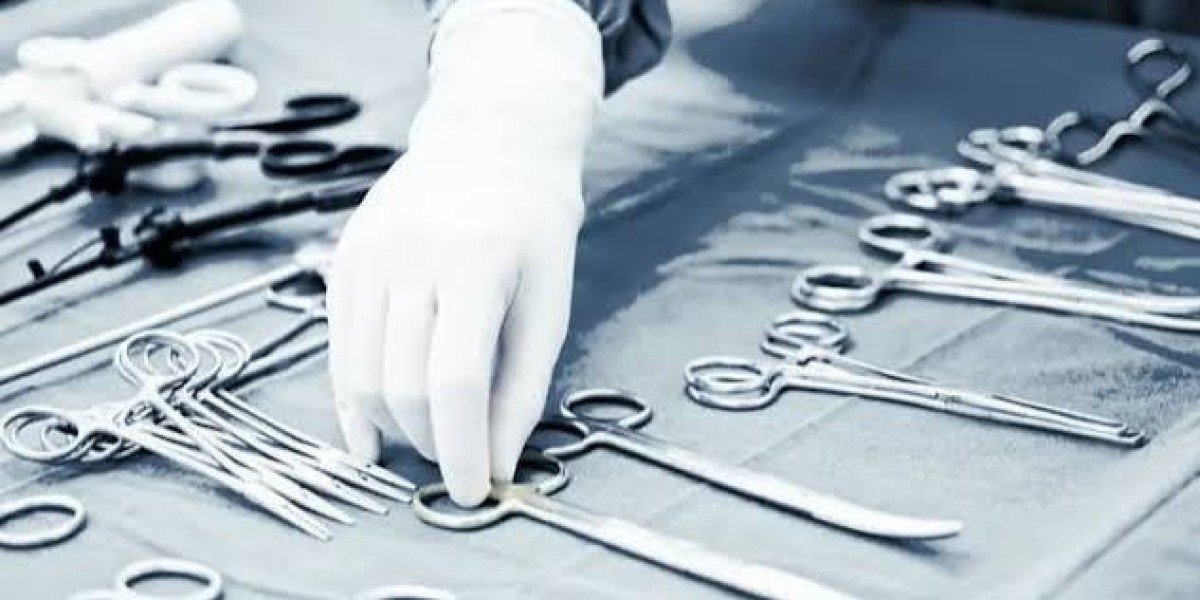

Introduction to Surgical Instrument Shops in Gujranwala
Gujranwala has long played a quiet but important role in Pakistan’s medical manufacturing landscape. While Sialkot often takes the spotlight for finished surgical instruments, Gujranwala contributes through metalworking expertise, stainless steel processing, and a network of shops and suppliers that serve hospitals, clinics, and individual practitioners across Punjab and beyond. For anyone sourcing tools used in operating rooms, dental clinics, or veterinary practices, understanding surgical instrument shops in Gujranwala offers real practical value.
These shops range from small retail outlets in commercial areas to workshops linked to local manufacturing. Buyers can find general surgery sets, orthopedic tools, dental instruments, and basic holloware. The city’s industrial base, built on light engineering and metal crafts, supports consistent availability of instruments made from medical-grade stainless steel.
This guide walks through why these shops remain relevant, the mistakes many buyers make, how to choose instruments effectively without unnecessary spending, and what the next few years may bring.
Why Surgical Instrument Shops in Gujranwala Matter in 2026
Healthcare demand continues to rise. Pakistan’s population growth, expanding private clinics, and greater focus on surgical capacity mean more instruments are needed every year. In 2026, local sourcing from places like Gujranwala helps address three practical pressures: supply reliability, cost control, and faster turnaround.
Global supply chains still face disruptions from shipping delays and regulatory changes. Local shops reduce dependence on long import cycles for everyday tools such as forceps, scissors, needle holders, and retractors. Many instruments produced or finished in the broader Punjab cluster already meet basic international quality expectations when properly finished and inspected.
Proximity also supports smaller buyers. A clinic in Gujranwala or nearby cities can visit shops, examine instruments in person, request minor adjustments, and arrange replacements without international shipping costs. For bulk buyers supplying multiple facilities, the ability to inspect batches on site remains a clear advantage.
Sustainability and local economic impact add another layer. Supporting regional metalworking and finishing skills keeps knowledge in the area and shortens the path from raw material to usable tool. Stainless steel processing linked to Gujranwala has historically fed the wider surgical cluster, creating a connected ecosystem that benefits both manufacturers and end users.
In short, these shops provide accessible, inspectable options at a time when healthcare systems need dependable tools without excessive complexity or delay.
Common Mistakes People Make with Surgical Instrument Shops in Gujranwala
Even experienced buyers sometimes fall into avoidable traps. Recognizing these helps protect both budgets and patient safety.
One frequent error is focusing only on appearance. Shiny instruments can hide inconsistent hardness, poor edge geometry, or weak joints. A pair of scissors that looks polished may fail to cut cleanly after a few sterilizations if the steel quality or tempering was inadequate.
Another mistake is skipping documentation and origin checks. Buyers sometimes accept instruments without asking about the grade of stainless steel or the finishing process. Medical-grade material (typically certain 400-series stainless steels) behaves differently under repeated autoclaving than ordinary steel. Without basic verification, instruments may corrode or lose edge retention faster than expected.
Many people also buy without testing function in realistic conditions. Forceps that feel fine in the hand may not hold tissue securely under tension. Needle holders might slip if the jaws are poorly cut. Taking time to simulate use—closing, opening, checking alignment—reveals issues that a quick visual check misses.
Over-ordering without inventory planning creates another problem. Clinics sometimes stock large quantities of rarely used specialty tools while running short of high-turnover items such as basic dissecting forceps or suture scissors. This ties up capital and increases the risk of instruments sitting unused until they degrade in storage.
Finally, some buyers treat every shop the same. Quality and consistency vary. Relying on a single unvetted source without cross-checking samples from more than one supplier can lead to uneven results across a facility’s instrument inventory.
Avoiding these mistakes starts with slowing down the selection process and treating instruments as precision tools rather than simple commodities.
How to Effectively Choose Surgical Instruments from Shops in Gujranwala Without Extra Cost
Smart selection does not require higher spending. It requires clearer criteria and a repeatable process. Here is a practical step-by-step approach that works for individual practitioners, clinic managers, and hospital procurement teams.
Step 1: Define exact needs before visiting any shop. List the procedures performed most often and the instruments required for each. Note preferred lengths, tip styles, and any special requirements (for example, tungsten carbide inserts on needle holders or specific curve patterns on scissors). A short written list prevents impulse purchases of tools that later sit unused.
Step 2: Inspect material and construction carefully. Look for consistent finish without rough spots or tool marks in critical areas. Check that box locks on forceps open and close smoothly without play. Examine scissors under light to confirm even blade contact. Ask about the stainless steel grade if the seller can provide it. Instruments that feel balanced in the hand and show clean joints usually perform better over time.
Step 3: Test function on site. Bring simple test materials when possible—gauze, suture material, or soft tissue models. Cut, grasp, and release to check performance. For scissors, test both the tip and the full length of the blades. For clamps, verify that they hold securely without crushing. This hands-on check costs nothing yet prevents later returns or replacements.
Step 4: Compare samples from more than one source. Visit two or three shops with the same list. Evaluate similar instruments side by side for weight, balance, and finish quality. Consistency across a set matters more than individual standout pieces. Taking notes on each shop’s strengths helps build a short list of reliable options.
Step 5: Plan for sterilization and maintenance from the start. Confirm that instruments are designed for standard autoclave cycles. Ask about recommended cleaning methods. Simple habits—prompt rinsing after use, proper drying, and correct storage—extend instrument life dramatically and reduce the need for frequent replacements. Many performance problems attributed to “poor quality” actually stem from inadequate care after purchase.
Step 6: Start with core sets and expand only as needed. Begin with high-use general surgery or specialty core instruments. Once those prove reliable in daily practice, add less common tools. This staged approach keeps costs controlled while building confidence in the chosen suppliers.
Step 7: Keep simple records. Note the shop, date of purchase, and any observations about performance after the first few sterilization cycles. Over time these records reveal which sources deliver consistent results. The process requires only a notebook or basic spreadsheet and prevents repeated trial-and-error spending.
Following these steps turns shopping into a controlled evaluation rather than a rushed transaction. The result is instruments that perform reliably without the need for premium pricing or imported alternatives for routine needs.
Future Trends Related to Surgical Instrument Shops in Gujranwala
Looking ahead, several developments will shape how these shops operate and what buyers can expect.
Greater attention to process control and documentation is already visible across Pakistan’s surgical cluster. Shops and workshops that can demonstrate consistent material sourcing and finishing standards will stand out as buyers demand more traceability. Basic quality systems, even at smaller scales, will become a competitive advantage.
Demand for instruments suited to minimally invasive techniques continues to grow. While complex laparoscopic systems remain specialized, simpler tools adapted for smaller access points and finer tissue handling are likely to appear more frequently in local inventories. Shops that stay connected to evolving clinical preferences will stock more relevant options.
Digital tools will play a larger role in discovery and communication. Buyers may increasingly use online directories, messaging apps, and simple catalog images to shortlist shops before visiting. This reduces wasted travel time while still preserving the value of in-person inspection.
Sustainability considerations will influence material and finishing choices. Efficient use of stainless steel, reduced waste in manufacturing, and longer instrument life through better design all support lower environmental impact. Shops that emphasize durable, repairable tools will align with broader healthcare priorities.
Skill development remains critical. The traditional metalworking knowledge concentrated in the region needs ongoing transfer to younger workers. Workshops and shops that invest in training will maintain the precision that buyers rely on.
Finally, stronger links between local suppliers and larger hospital networks or group purchasing arrangements may emerge. Standardized core sets produced or finished to agreed specifications could simplify procurement for multi-site facilities while giving reliable shops steadier demand.
These trends point toward a more professionalized, responsive local market rather than radical disruption. Buyers who build relationships with consistent suppliers today will be well positioned as expectations around quality documentation and clinical relevance continue to rise.
Practical Takeaways for Buyers
Surgical instrument shops in Gujranwala offer accessible options grounded in the region’s metalworking tradition. Their importance in 2026 stems from reliability, proximity, and the ability to support growing healthcare needs without depending solely on distant supply chains.
The most common mistakes—judging by appearance alone, skipping functional tests, and failing to plan inventory—are avoidable with a structured approach. Defining needs clearly, inspecting and testing instruments carefully, comparing sources, and maintaining simple records allow effective selection without added cost.
Looking forward, attention to quality systems, adaptation to clinical trends, digital communication, and skill continuity will shape the landscape. Buyers who treat instrument selection as a careful, repeatable process will secure tools that perform well, last longer, and support safe patient care.