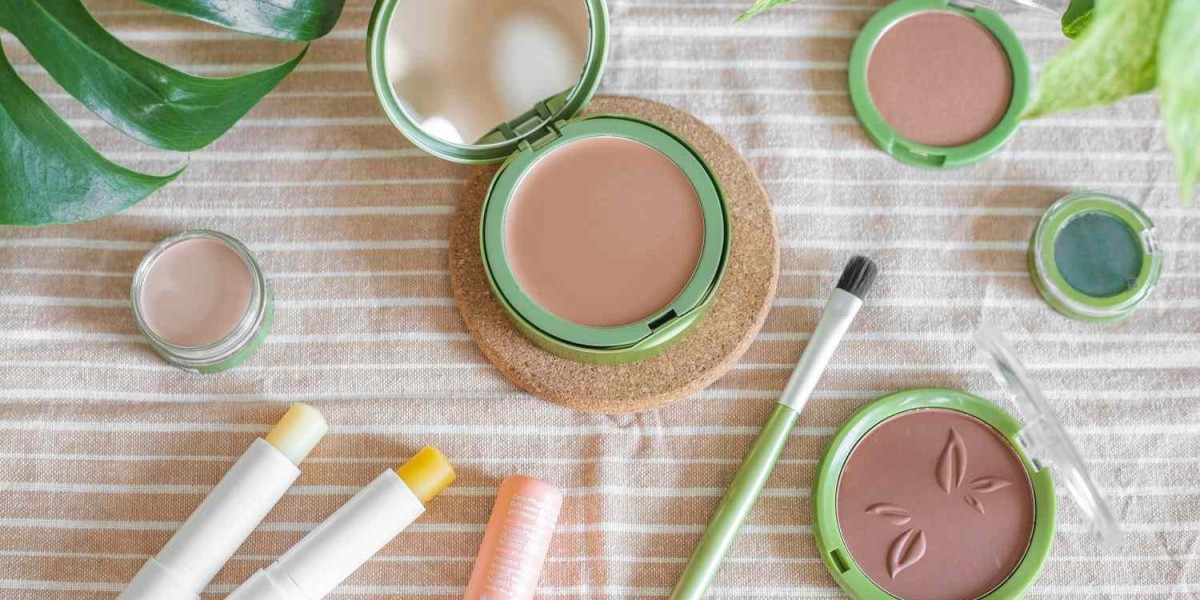

The Waterless Cosmetics Market is gaining attention as beauty brands seek to reduce water consumption, improve product concentration, and develop more sustainable formulations. Products such as solid shampoos, powder cleansers, cleansing bars, concentrated serums, and water-activated treatments are becoming increasingly visible across skincare, haircare, and personal care categories. These formats can offer practical benefits, including lighter packaging, reduced transportation weight, and potentially longer product shelf life.
Despite these advantages, the market faces several hindrances that can slow adoption and limit large-scale expansion. Consumer habits, formulation complexity, pricing concerns, production challenges, and unclear product expectations all influence market performance. Understanding these barriers is important for companies seeking to create accessible, effective, and commercially successful waterless beauty products.
Consumer Familiarity and Established Beauty Habits
One of the major challenges facing the Waterless Cosmetics Market is the strong consumer preference for conventional liquid and cream-based products. Many buyers are accustomed to shampoos, lotions, cleansers, and serums that are ready to use directly from the package. Waterless formats may require users to add water, activate a powder, warm a solid product, or follow a different application method.
These changes can create hesitation, particularly when consumers are uncertain about how much product to use or whether the new format will provide the same results. A powder cleanser, for example, may appear less convenient than a liquid cleanser, even if it offers concentrated performance and reduced packaging requirements.
Consumer education is therefore necessary, but it can increase marketing costs. Brands must explain product usage, highlight benefits, and address concerns related to effectiveness. Without clear communication, unfamiliarity may prevent repeat purchases.
Higher Product Development Complexity
Developing waterless cosmetics can be technically demanding. Water performs several functions in conventional formulations. It can act as a solvent, support ingredient distribution, influence texture, and help create a familiar sensory experience. Removing water requires formulators to redesign products while maintaining stability, performance, safety, and ease of use.
Powder-based products may need protection from moisture during manufacturing, transportation, storage, and consumer use. Solid products must remain stable in different temperatures without becoming too soft, brittle, or difficult to apply. Concentrated formulations may also require precise ingredient balancing to avoid irritation or uneven performance.
These development requirements can increase research timelines and production expenses. Smaller beauty companies may face greater difficulty accessing specialized formulation expertise, testing facilities, and suitable manufacturing technologies.
Price Sensitivity and Perceived Value Concerns
Price remains an important hindrance, especially in markets where consumers compare products based on package size rather than concentration or number of uses. Waterless cosmetics may have a higher upfront price because they often use specialized ingredients, advanced processing methods, or moisture-resistant packaging.
A small shampoo bar or powder cleanser may appear expensive when compared with a larger bottle of liquid product. Although the waterless product may last longer, consumers may not immediately recognize its value. This difference between actual usage value and perceived value can reduce purchase interest.
The Waterless Cosmetics Market must address this challenge through transparent product information. Clear guidance regarding dosage, expected number of applications, and product longevity can help consumers make more accurate comparisons. However, communicating these benefits consistently across retail and digital channels requires additional investment.
Limited Availability and Distribution Challenges
Waterless cosmetics are still less widely available than conventional beauty products. Large retail stores may prioritize established liquid products with predictable demand, familiar packaging, and proven sales performance. Emerging waterless brands may find it difficult to secure shelf space, particularly when retailers are uncertain about consumer interest.
Distribution can also be affected by product-specific requirements. Powder formulations may need strong moisture barriers, while solid products may require packaging that prevents damage or deformation. In humid climates, maintaining product quality throughout the supply chain can become more complicated.
Limited physical availability may reduce opportunities for consumers to examine products before purchasing. Since many waterless formats are unfamiliar, buyers may prefer to see the product, understand its texture, or receive demonstrations. Restricted retail access can therefore slow adoption.
Packaging and Moisture Protection Requirements
Waterless products are often promoted as environmentally responsible, but packaging design can create a difficult balance. Products must be protected from humidity, accidental water exposure, contamination, and physical damage. As a result, some formulations may require multilayer materials, sealed containers, or specialized dispensers.
These protective requirements may increase packaging costs and complicate recycling. A package that effectively preserves product quality may not always be easy to separate or process through local recycling systems. This can create a gap between sustainability messaging and actual environmental performance.
Companies must evaluate the entire product lifecycle rather than focusing only on water reduction. Packaging material selection, transportation efficiency, product durability, and end-of-life disposal all influence sustainability outcomes.
Performance Expectations and Sensory Differences
Consumers often evaluate cosmetics through texture, fragrance, foam, spreadability, and immediate sensory feedback. Waterless products may feel different from traditional alternatives. A solid moisturizer may require more effort to spread, while a powder cleanser may produce a different lather or skin sensation.
These differences are not necessarily signs of lower quality, but they can influence satisfaction. If a product is difficult to activate or leaves an unexpected residue, consumers may view it negatively. The challenge becomes greater when users are unfamiliar with the correct application process.
Brands must create formulations that deliver both functional results and an appealing experience. Product performance should remain consistent across different skin types, hair textures, climates, and usage conditions. Achieving this balance can require extensive testing and repeated formulation adjustments.
Regulatory and Product Classification Challenges
Waterless cosmetics must comply with cosmetic safety, labeling, ingredient, and packaging requirements. Although the absence of water may change certain formulation characteristics, it does not remove the need for comprehensive quality and safety evaluation.
Different product formats can also create classification questions. Concentrated products, powders, tablets, and water-activated treatments may require specific instructions to prevent misuse. Labels must clearly explain storage conditions, activation methods, dosage, and intended use.
Regulatory requirements can vary across countries and regions. Companies expanding internationally may need to adjust product information, packaging, ingredient documentation, and compliance procedures. These activities can increase costs and delay market entry.
Manufacturing Scale and Supply Chain Limitations
Scaling waterless cosmetic production may require equipment that differs from conventional liquid manufacturing systems. Powder blending, compression, solid molding, and moisture-controlled processing can demand specialized machinery and production environments.
Manufacturers may also need reliable access to ingredients that perform effectively without water. Supply limitations, quality variations, or price fluctuations can affect production consistency. When demand increases rapidly, smaller suppliers may struggle to provide sufficient volumes.
Production efficiency is another concern. A formulation that performs well in small laboratory batches may behave differently during large-scale manufacturing. Companies must invest in process development to maintain uniform quality while controlling costs.
Misleading Sustainability Claims and Consumer Skepticism
Growing interest in sustainable beauty has created opportunities, but it has also increased consumer skepticism. Some buyers may question whether waterless products provide meaningful environmental benefits or simply use sustainability as a marketing theme.
Water reduction alone does not guarantee a lower environmental impact. Energy-intensive manufacturing, complex packaging, ingredient sourcing, and transportation patterns can influence the overall footprint. If companies make broad claims without explaining the complete product strategy, consumer trust may weaken.
Clear and measurable communication is essential. Brands should explain how waterless design affects product concentration, packaging, transportation, and usage. Transparent messaging can support credibility and reduce concerns about greenwashing.
Competition from Improved Conventional Products
The Waterless Cosmetics Market also competes with conventional beauty products that are becoming more sustainable. Many established brands are introducing refill systems, lightweight packaging, concentrated liquids, recycled materials, and water-saving manufacturing practices.
These alternatives may appeal to consumers who want environmental improvements without changing their existing routines. A concentrated liquid product may seem easier to use than a powder or solid format while still offering reduced packaging or transportation requirements.
As conventional products improve, waterless brands must demonstrate benefits beyond the absence of water. Performance, convenience, product longevity, ingredient quality, and user experience will remain important competitive factors.
Conclusion
The Waterless Cosmetics Market has strong potential, but its growth is influenced by practical, technical, commercial, and behavioral challenges. Consumer unfamiliarity, higher development costs, price sensitivity, limited availability, packaging requirements, and performance expectations can restrict broader adoption.
Long-term progress will depend on creating products that are simple to use, reliable, affordable, and genuinely sustainable. Companies that combine effective formulations with clear education, responsible packaging, and transparent environmental communication may be better positioned to overcome these hindrances. As technology advances and consumer awareness increases, waterless cosmetics could become a more established part of the global beauty industry.