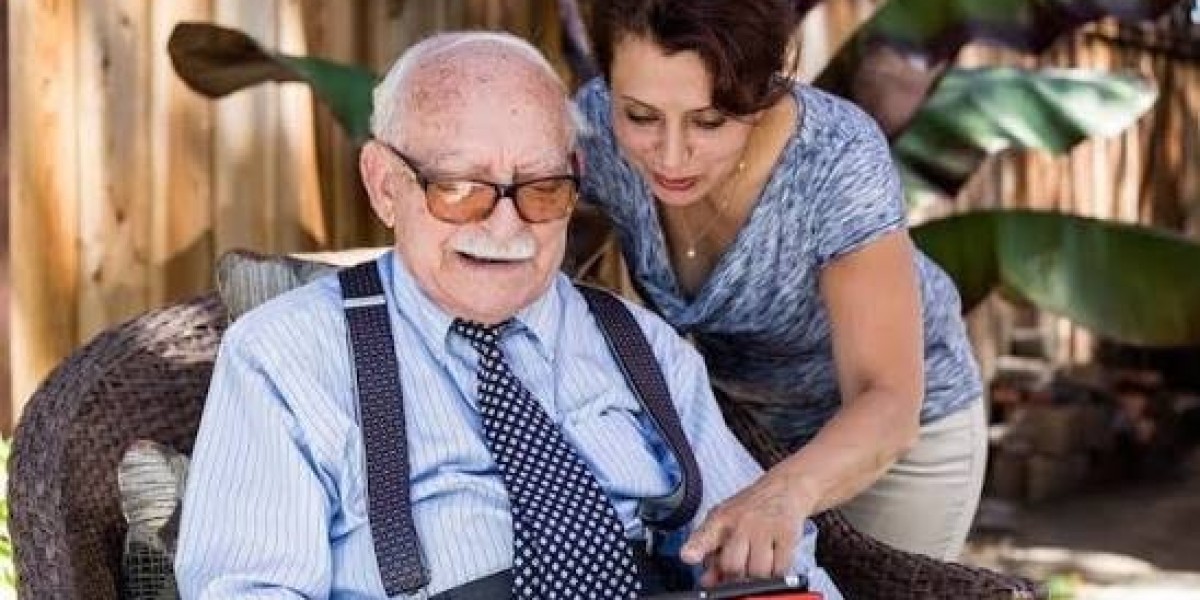

Technology continues to reshape healthcare, and senior living is no exception. While compassionate caregivers remain at the heart of quality support, new digital tools are helping communities recognize changes earlier, personalize care, and improve daily experiences for residents living with cognitive challenges. Today's Memory Care Communities are beginning to use predictive technology as an additional resource to strengthen safety, wellness, and individualized support. At Bay Harbor Of LaCrescent, innovation is viewed as a way to enhance human care rather than replace the meaningful relationships that residents and families value most.
Predictive Technology Helps Care Teams See Changes Earlier
Memory-related conditions often progress gradually, making subtle changes difficult to recognize during routine observations alone. Predictive technology helps identify patterns that may indicate a resident's needs are evolving before those changes become more noticeable.
Digital systems can analyze information such as mobility trends, sleep patterns, activity levels, and behavioral changes over time. These insights allow caregivers to recognize potential concerns earlier and adjust support plans before small challenges begin affecting daily life.
Earlier awareness often leads to more personalized and timely care.
Personalized Care Becomes Even More Meaningful
Every resident experiences memory loss differently. Their routines, communication styles, interests, and support needs are unique, which is why individualized care remains essential.
Predictive technology provides caregivers with additional information that helps refine care plans based on each resident's habits rather than relying only on scheduled assessments. When care teams understand changing patterns, they can adapt activities, daily routines, and support strategies to better match each person's current needs while preserving familiar routines whenever possible.
The result is a more responsive approach that respects individuality instead of treating every resident the same.
Supporting Safer Daily Living
Resident safety remains one of the most important priorities in memory care. Predictive technology strengthens safety efforts by helping caregivers identify situations that may require additional attention before an emergency occurs.
For example, changes in walking patterns, increased nighttime movement, or unusual daily behaviors may indicate a higher risk of falls or confusion. Recognizing these patterns allows staff to review care plans, adjust supervision when appropriate, and reduce potential hazards while encouraging residents to remain as independent as possible.
This proactive approach supports confidence without creating unnecessary restrictions.
Better Information Improves Caregiver Decision-Making
Caregiving requires hundreds of thoughtful decisions every day. Predictive technology provides additional context that helps staff make those decisions with greater confidence.
Instead of relying only on occasional observations, caregivers can review trends that develop over time. This broader perspective helps them recognize whether a change is temporary or part of a larger pattern requiring attention.
Technology does not replace professional judgment. Instead, it strengthens decision-making by giving caregivers more complete information to support personalized resident care.
Families Benefit From Greater Transparency
Families naturally want to understand how their loved one is doing between visits. Predictive technology can support clearer communication by helping care teams discuss observable trends instead of relying solely on general updates.
When families understand how routines, mobility, or activity levels are changing, conversations become more meaningful. This shared understanding encourages collaborative care planning while helping loved ones feel more connected to the resident's daily experience.
Open communication also builds trust, making families more confident in the care their loved one receives.
Innovation Should Always Protect Dignity
As technology becomes more common in senior living, privacy and dignity remain essential considerations. Responsible communities use predictive tools carefully, ensuring they support residents without making them feel monitored or defined by technology.
The purpose of these systems is not constant surveillance. Instead, they provide caregivers with helpful information that improves support while respecting each resident's independence and personal dignity.
Families should always feel comfortable asking how technology is used, what information is collected, and how resident privacy is protected.
The Future Of Memory Care Will Blend Technology And Compassion
Artificial intelligence, predictive analytics, and digital monitoring tools will likely continue evolving over the coming years. These innovations offer exciting opportunities to improve safety, personalize care, and identify changing needs earlier than ever before.
Despite these advancements, compassionate caregivers will always remain the foundation of exceptional memory care. Technology cannot replace empathy, meaningful conversations, or trusted relationships. Instead, it allows care teams to spend more time focusing on what matters most—supporting residents with understanding, patience, and respect.
Communities that thoughtfully combine innovation with personalized care are well positioned to meet the changing needs of future generations.
Conclusion
Predictive technology is helping reshape memory care by giving caregivers valuable insights that support earlier interventions, safer environments, and more personalized daily experiences. When used responsibly, these tools strengthen—not replace—the human connections that define exceptional senior care. Bay Harbor Of LaCrescent believes that combining thoughtful innovation with compassionate caregiving creates an environment where residents can live with greater comfort, dignity, and confidence while families gain reassurance that their loved ones are receiving individualized support every step of the way.