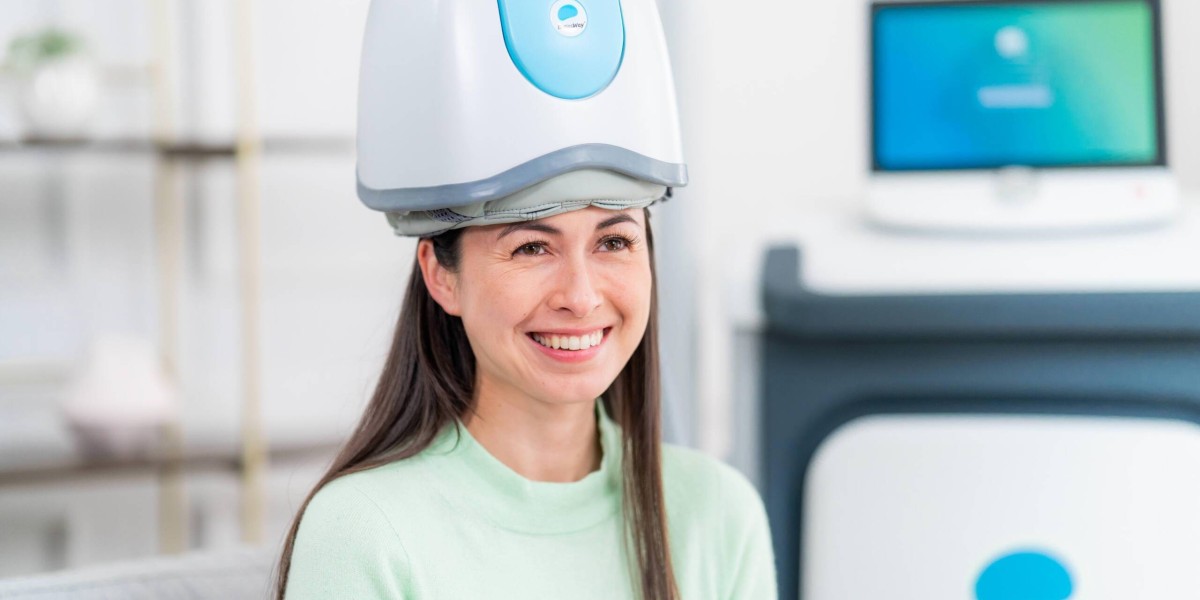

Depression can make everyday life feel difficult. Many people struggle with low mood, lack of energy, trouble sleeping, and loss of interest in activities they once enjoyed. While medication and counseling help many people, they do not work for everyone. TMS therapy in Richardson offers a non-invasive treatment option for adults living with treatment-resistant depression.
Research shows that Transcranial Magnetic Stimulation (TMS) is an effective treatment for adults with major depressive disorder who have not found enough relief from antidepressant medication. As an FDA approved depression therapy, TMS has helped many people improve their symptoms without surgery or anesthesia.
What is TMS Therapy?
Transcranial Magnetic Stimulation, commonly called TMS therapy, is a non-invasive treatment that uses magnetic pulses to stimulate specific areas of the brain linked to mood regulation. Depression can affect the activity of these brain regions, making it difficult for people to experience positive emotions or maintain daily routines.
During treatment, a magnetic coil is placed against the scalp. The device sends gentle magnetic pulses to targeted brain cells. The procedure is performed in a clinic, and patients remain awake throughout each session. Most appointments last about 20 to 40 minutes, allowing people to return to work or normal activities soon afterward.
How TMS Therapy Works for Depression?
The exact cause of depression is different for every person, but studies suggest that reduced activity in certain parts of the brain plays a role. TMS therapy for depression works by stimulating these areas with magnetic energy. Over time, repeated sessions help improve communication between brain cells involved in mood control.
Most treatment plans include sessions five days a week for several weeks. Improvement may happen gradually, with many patients noticing positive changes after several treatments. TMS is often recommended for adults whose depression has not improved after trying antidepressant medications.
Benefits of TMS Therapy for Depression
Following are the benefits:
A Non Invasive Treatment Option
One of the biggest advantages of TMS therapy is that it does not involve surgery or implanted devices. There are no needles, no anesthesia, and no hospital stay. Patients remain awake and comfortable during treatment, making it a convenient choice for many people. Since there is no recovery period, most individuals can return to work, drive home, or continue with daily activities immediately after each session.
Fewer Side Effects Than Medication
Antidepressants can cause side effects such as weight changes, sleep problems, digestive issues, or reduced sexual desire. TMS therapy offers another option for people who struggle with medication-related problems. The most common side effects are mild scalp discomfort or a temporary headache after treatment. These symptoms often improve as treatment continues and are generally short-lived.
Effective for Treatment Resistant Depression
Many people continue to experience depression even after trying different medications. Clinical studies have shown that TMS can help reduce symptoms in people with treatment-resistant depression. For some patients, symptoms improve significantly, while others experience complete remission. This makes TMS an important option when traditional treatments have not provided enough relief.
Improves Daily Quality of Life
Depression affects relationships, work performance, and personal well-being. As symptoms improve, many patients notice better concentration, increased motivation, improved sleep, and more enjoyment in daily activities. These positive changes can help people reconnect with family, return to hobbies, and participate more fully in everyday life.
How to Choose the Best TMS Clinic in Richardson?
Finding the right clinic plays an important role in your treatment experience. Before starting therapy, it is helpful to learn about the clinic, the medical team, and the services offered. Consider these factors when selecting a TMS clinic in Richardson:
Look for experienced psychiatrists trained in TMS therapy.
Choose a clinic that uses FDA-cleared TMS technology.
Ask about personalized treatment planning and ongoing progress monitoring.
Read patient reviews and testimonials.
Check if the clinic accepts your insurance or provides payment options.
Find a TMS therapy clinic accepting new patients if you want to begin treatment without unnecessary delays.
Conclusion
Living with depression can feel overwhelming, but effective treatment options are available. TMS Therapy in Richardson has helped many people who did not experience enough improvement with antidepressant medications alone. As an FDA approved depression therapy, it offers a non-invasive approach with minimal side effects and no recovery time.
If you are looking for TMS treatment in Richardson TX, speaking with an experienced mental health specialist can help you decide if TMS therapy is the right option. Taking the first step toward treatment may lead to meaningful improvements in your mental health and overall quality of life.
Frequently Asked Questions
Is TMS therapy safe?
Yes. TMS therapy is FDA approved for treating major depressive disorder and has been studied extensively. Most people experience only mild side effects such as temporary scalp discomfort or headaches.
Who is a good candidate for TMS therapy?
Adults with major depression who have not improved after trying antidepressant medication are often good candidates. A psychiatrist can determine if TMS is appropriate for your condition.
Does insurance cover TMS therapy?
Many insurance providers cover TMS therapy for eligible patients who meet specific medical criteria. Contact your clinic or insurance company for coverage details.
Is TMS therapy painful?
No, TMS therapy is generally not painful. Most people feel a gentle tapping or clicking sensation on the scalp during treatment. Some patients may experience mild discomfort during the first few sessions, but this usually becomes less noticeable as treatment continues.
What are the side effects of TMS therapy?
TMS therapy is generally well tolerated, and most side effects are mild and temporary. The most common side effects include scalp discomfort, mild headache, tingling around the treatment area, or slight facial muscle twitching during the session. Serious side effects, such as seizures, are very rare when TMS is performed by trained medical professionals following established safety guidelines.