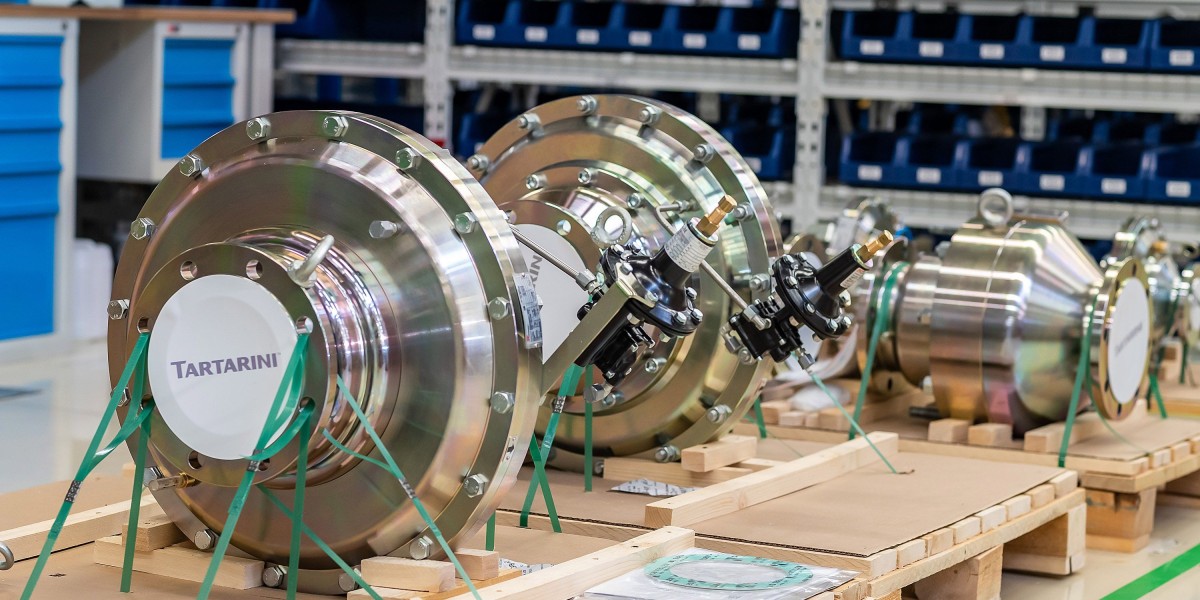

The Vibration Control System Market plays an important role in industries where unwanted vibration can affect equipment performance, structural integrity, operational safety, and product quality. These systems are widely used across automotive, aerospace, manufacturing, construction, energy, electronics, transportation, and industrial machinery applications. As machines become faster, lighter, more powerful, and increasingly automated, the need to manage vibration continues to grow.
Despite strong demand, the market faces several challenges that can limit adoption and create operational difficulties for manufacturers, system integrators, and end users. High implementation costs, complex engineering requirements, changing industrial standards, maintenance demands, and the need for specialized expertise are among the major obstacles influencing the development of the Vibration Control System Market.
High Initial Investment and Implementation Costs
One of the biggest challenges for vibration control system adoption is the high initial investment required. Advanced systems may include sensors, actuators, controllers, vibration isolators, damping materials, monitoring software, and data-processing platforms. The total cost can increase significantly when these components need to be customized for a particular machine or facility.
Small and medium-sized enterprises often face greater difficulty in allocating capital for such systems. While vibration control can reduce equipment damage and downtime over the long term, the immediate financial burden may discourage companies from investing. In price-sensitive industries, businesses may continue using traditional passive solutions rather than adopting more advanced active or semi-active technologies.
Installation costs can also be substantial. Integrating a vibration control system into an existing production line may require equipment modifications, system redesign, downtime, and specialized engineering support. These additional expenses can make implementation more challenging, especially for facilities operating under strict production schedules.
Complex Integration with Existing Equipment
Many industrial facilities rely on machinery that was installed years or even decades ago. Integrating modern vibration control systems with this legacy equipment can be difficult. Older machines may not have compatible interfaces, digital communication capabilities, or the structural flexibility required for modern sensors and controllers.
The challenge becomes more complex when multiple machines from different manufacturers operate within the same facility. Each system may use different control architectures, communication protocols, and performance specifications. Achieving seamless coordination requires extensive engineering and testing.
In the Vibration Control System Market, integration problems can delay project timelines and increase costs. Companies may need to develop customized interfaces or replace certain components before a new vibration control solution can function effectively.
Need for Specialized Technical Expertise
Vibration control is a highly technical field that combines mechanical engineering, structural analysis, electronics, control systems, materials science, and data analytics. Designing an effective solution requires a detailed understanding of vibration sources, frequency characteristics, resonance behavior, operating conditions, and equipment dynamics.
However, many companies face a shortage of professionals with specialized knowledge in vibration analysis and control technologies. Incorrect diagnosis of a vibration problem can result in the installation of an ineffective solution. For example, a damping system designed for one frequency range may fail to address vibration occurring at another frequency.
The growing adoption of smart sensors and software-based monitoring is adding another layer of complexity. Engineers increasingly need skills in data interpretation, automation, artificial intelligence, and industrial networking. The shortage of professionals with this combination of expertise can slow technology adoption and increase dependence on external consultants.
Difficulties in Controlling Variable Operating Conditions
Industrial machinery rarely operates under exactly the same conditions at all times. Changes in speed, load, temperature, pressure, material flow, and operating cycles can significantly alter vibration behavior.
A system designed to control vibration under one operating condition may perform differently when machine speed or load changes. This is particularly challenging in manufacturing plants, transportation systems, robotics, wind turbines, and aerospace applications.
Active and adaptive vibration control technologies can respond to changing conditions, but they are more complex and expensive than conventional solutions. Developing systems capable of accurately detecting and responding to dynamic vibration patterns remains a major technical challenge for industry participants.
Maintenance and Reliability Concerns
Vibration control systems themselves require maintenance. Sensors can lose accuracy, actuators may wear out, electronic components can fail, and software may require updates. In harsh environments involving dust, moisture, extreme temperatures, chemicals, or heavy mechanical stress, component reliability becomes even more important.
If a vibration monitoring sensor provides inaccurate data, the control system may respond incorrectly. This can reduce performance or potentially create additional mechanical stress. Regular calibration and inspection are therefore necessary.
For industries where continuous operation is essential, maintenance-related downtime can be a serious concern. End users increasingly expect vibration control systems to operate reliably for long periods with minimal intervention. Manufacturers must therefore improve component durability while also developing predictive maintenance capabilities.
Performance Limitations in Extreme Environments
Vibration control systems are used in demanding environments such as offshore facilities, heavy industrial plants, aircraft, rail systems, power generation sites, and large construction projects. These applications expose equipment to extreme temperatures, high humidity, corrosive substances, shock loads, and continuous mechanical stress.
Maintaining consistent performance under such conditions can be difficult. Materials used in isolators and damping components may degrade over time. Electronic sensors may require specialized protection, while control systems must be designed to withstand electromagnetic interference and environmental fluctuations.
The need for ruggedized equipment increases manufacturing costs and may require extensive testing before deployment. This can lengthen product development cycles and create additional barriers for smaller technology providers.
Limited Standardization Across Applications
The Vibration Control System Market serves a wide range of industries, each with different technical requirements and performance expectations. There is no single solution that can be applied uniformly across all applications.
Different industries may use different testing procedures, measurement methods, safety requirements, and performance benchmarks. This lack of uniformity can make it difficult for manufacturers to develop standardized products at scale.
Customization is often necessary, but customized solutions require more engineering time and can increase production costs. Manufacturers must balance the need for application-specific designs with the benefits of modular and standardized product platforms.
Competition from Low-Cost Conventional Solutions
Traditional vibration control products, including rubber mounts, springs, dampers, isolation pads, and passive absorbers, remain widely used. These solutions are often less expensive, easier to install, and simpler to maintain than advanced electronic or active systems.
For many basic applications, conventional solutions may provide adequate performance. This creates strong price competition for advanced technologies. Customers may hesitate to invest in smart or active vibration control systems unless the benefits are clearly demonstrated.
To overcome this challenge, companies in the Vibration Control System Market must show measurable value through reduced maintenance, improved equipment life, higher productivity, lower energy consumption, and better operational reliability.
Cybersecurity Risks in Connected Systems
The increasing use of connected sensors, cloud platforms, industrial networks, and remote monitoring is creating new cybersecurity concerns. Modern vibration control systems may collect and transmit operational data across connected environments.
If these systems are not adequately protected, unauthorized access could affect data integrity or disrupt industrial operations. Cybersecurity is especially important in critical infrastructure, transportation, energy, aerospace, and large-scale manufacturing.
Companies must invest in secure communication, access controls, software updates, and data protection. These requirements can increase development costs and add complexity to system management.
Supply Chain and Component Availability
Vibration control systems depend on a wide range of components, including sensors, electronic controllers, specialized materials, actuators, and precision mechanical parts. Disruptions in the supply chain can affect production schedules and increase costs.
Shortages of advanced electronic components may be particularly problematic for systems that rely on digital controllers and smart sensing technologies. Manufacturers may need to qualify alternative suppliers or redesign products when specific components become unavailable.
Building resilient supply networks and maintaining access to critical materials will remain important for companies seeking stable growth in the Vibration Control System Market.
Conclusion
The Vibration Control System Market has significant opportunities across industries that increasingly depend on high-performance, reliable, and automated equipment. However, market expansion is influenced by several challenges, including high upfront costs, complex integration, limited technical expertise, maintenance requirements, environmental stresses, inconsistent standards, cybersecurity risks, and supply chain uncertainty.
Future success will depend on the ability of manufacturers to develop cost-effective, adaptable, reliable, and easier-to-integrate solutions. Technologies such as intelligent sensors, predictive analytics, adaptive control, digital monitoring, and advanced materials can help address many existing limitations.
Companies that successfully combine performance with affordability and simplified deployment will be better positioned to compete. As industries continue to prioritize operational efficiency and equipment reliability, overcoming these challenges will be essential for the long-term development of the Vibration Control System Market.