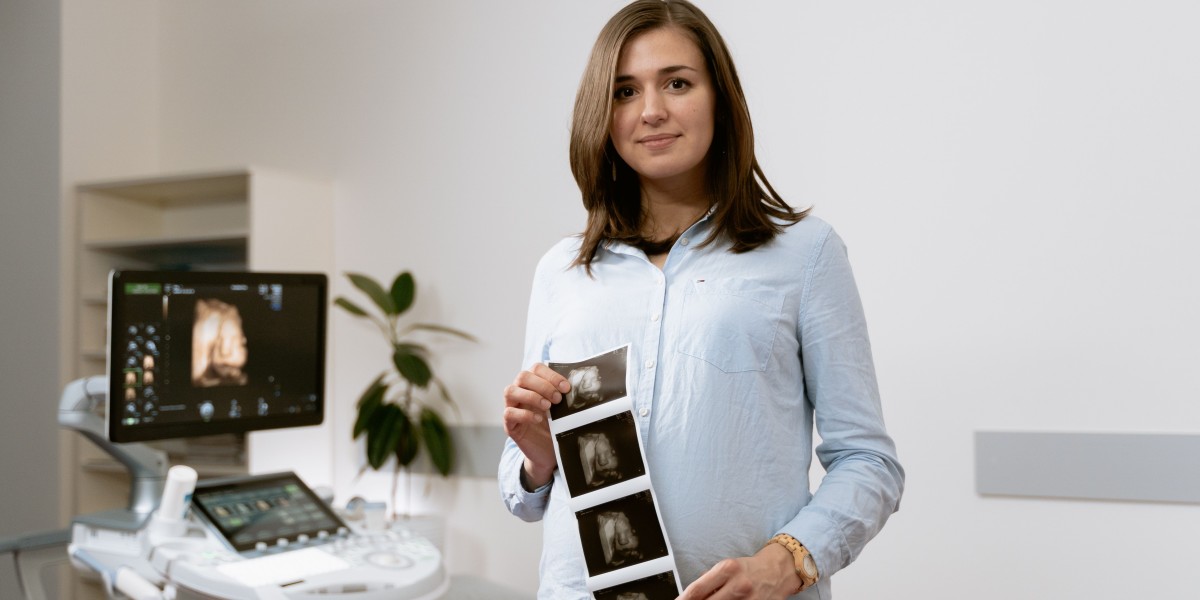

The Veterinary Ultrasound Scanner Market is undergoing significant innovation as veterinary medicine increasingly adopts advanced imaging technologies for faster, safer, and more accurate diagnosis. Ultrasound has long been valued for its non-invasive nature, but recent developments are expanding its capabilities far beyond basic abdominal examinations. Improvements in imaging resolution, portability, artificial intelligence, connectivity, and specialized probe design are reshaping how veterinarians evaluate companion animals, livestock, and exotic species.
Modern veterinary ultrasound scanners are becoming more intelligent and adaptable. Instead of functioning solely as imaging devices, newer systems are evolving into connected diagnostic platforms that support clinical decision-making, remote collaboration, workflow efficiency, and long-term patient monitoring. These advancements are creating new opportunities across veterinary hospitals, mobile clinics, research institutions, farms, and specialty care centers.
Portable Ultrasound Devices Are Expanding Point-of-Care Diagnostics
One of the most important innovations in the Veterinary Ultrasound Scanner Market is the rapid development of compact and portable systems. Traditional ultrasound equipment often required dedicated rooms and substantial investment. New handheld and laptop-style scanners allow veterinarians to conduct examinations directly at the patient's location.
Portable systems are particularly valuable in emergency care, field medicine, farm environments, and mobile veterinary services. A veterinarian can perform a focused cardiac, abdominal, musculoskeletal, or reproductive examination without transporting the animal to a specialized imaging department.
Battery-powered devices are also improving accessibility in rural and remote regions. Their smaller size, simplified interfaces, and wireless connectivity make them suitable for environments where conventional diagnostic infrastructure may be limited. This shift toward point-of-care imaging is helping ultrasound become a routine diagnostic tool rather than a technology reserved for larger hospitals.
Artificial Intelligence Is Enhancing Image Interpretation
Artificial intelligence is becoming an important area of innovation within veterinary imaging. AI-enabled ultrasound platforms can assist with image optimization, anatomical recognition, measurement, and the identification of potentially abnormal findings.
Automated tools may help standardize measurements such as organ dimensions, cardiac parameters, or fetal development indicators. This can reduce the variability associated with manual interpretation and help less experienced users obtain more consistent results.
AI does not replace veterinary expertise. Instead, it functions as a decision-support tool that can help clinicians identify areas requiring closer attention. As veterinary practices face growing demand for advanced diagnostics, intelligent software may improve efficiency and support faster clinical decisions.
The integration of machine learning is also expected to become more sophisticated as larger collections of veterinary imaging data become available. Over time, specialized algorithms could be developed for different species, breeds, diseases, and clinical applications.
Improved Imaging Quality Supports More Detailed Examinations
Advances in transducer design, signal processing, and image reconstruction are improving the clarity of ultrasound examinations. High-frequency probes can provide more detailed images of superficial structures, while advanced technologies support deeper visualization in larger animals.
Doppler imaging continues to evolve as well. Color, power, and spectral Doppler technologies enable veterinarians to examine blood flow and vascular conditions with greater precision. These capabilities are especially valuable in cardiology, oncology, reproductive medicine, and vascular assessment.
Three-dimensional and four-dimensional imaging are also contributing to specialized applications. Although adoption varies by clinical setting, these technologies can provide more comprehensive views of anatomy and support advanced reproductive monitoring and complex diagnostic procedures.
Better image quality can improve confidence in clinical decisions and reduce the need for repeated examinations. This is especially important when monitoring disease progression or evaluating treatment response over time.
Wireless Connectivity Is Creating Connected Veterinary Workflows
Another major innovation is the integration of wireless communication and cloud-based data management. Modern ultrasound scanners can increasingly connect with tablets, computers, electronic medical records, and secure cloud platforms.
This connectivity allows images to be stored, reviewed, and shared more efficiently. A veterinarian may capture an examination in a consultation room and immediately transfer the images to a specialist for additional evaluation.
Tele-ultrasound is also gaining importance. Remote experts can provide guidance during examinations, helping general practitioners manage complex cases without requiring patients to travel long distances. In rural areas, this capability may significantly improve access to specialist knowledge.
Connected systems can also support education and training. Veterinary students and professionals can review recorded examinations, compare findings, and develop stronger diagnostic skills using real clinical cases.
Specialized Solutions Are Expanding Across Veterinary Applications
Innovation in the Veterinary Ultrasound Scanner Market is not limited to general-purpose equipment. Manufacturers are increasingly developing specialized systems and probes for different animal types and medical applications.
In companion animal medicine, ultrasound is widely used for abdominal, cardiac, reproductive, and emergency examinations. Veterinary cardiology is benefiting from advanced imaging and Doppler capabilities that support more detailed evaluation of heart function.
Reproductive ultrasound is another important area. Breeders, livestock producers, and veterinary professionals use imaging to monitor pregnancy, assess fetal development, and support reproductive management. Portable systems can be particularly valuable in farms and equine practices.
Musculoskeletal ultrasound is also gaining attention. High-resolution imaging can help evaluate tendons, ligaments, joints, and soft tissues, especially in athletic horses and working animals. Specialized probes and improved image processing are making these examinations more practical.
User-Friendly Design Is Improving Adoption
Ease of use is becoming a central focus of product innovation. Veterinary professionals often work in fast-paced environments, and complicated equipment can slow down diagnosis. New systems increasingly feature intuitive interfaces, customizable presets, touchscreen controls, automated calculations, and simplified workflows.
Species-specific presets can help users adjust imaging parameters quickly for dogs, cats, horses, cattle, and other animals. These features reduce setup time and may help improve image consistency between examinations.
Ergonomic design is equally important. Lightweight scanners, portable carts, compact probes, and improved cable management can reduce physical strain during repeated examinations. For mobile veterinarians, the ability to transport equipment easily can directly influence productivity.
XYZ impacting factors Are Shaping the Pace of Innovation
Several XYZ impacting factors are influencing innovation across the Veterinary Ultrasound Scanner Market. Growing pet ownership, increasing spending on animal healthcare, rising awareness of preventive veterinary medicine, and the expansion of specialty clinics are supporting demand for advanced diagnostic equipment.
The growing importance of livestock health is another major factor. Early detection of reproductive, abdominal, and other health conditions can improve animal welfare and support more efficient farm management.
At the same time, technology costs, staff training requirements, regulatory considerations, and data security concerns can influence adoption. Manufacturers that successfully combine advanced capabilities with affordability and ease of use may gain a stronger position in both developed and emerging markets.
The Future Will Focus on Intelligent and Integrated Imaging
Future innovations are likely to make veterinary ultrasound systems more automated, connected, and application-specific. Artificial intelligence may become more deeply integrated into real-time imaging workflows, while cloud platforms could enable broader collaboration between general practitioners and specialists.
Miniaturization is expected to continue, creating more powerful handheld devices with capabilities that once required large console systems. Improvements in battery life, wireless connectivity, and image processing could make advanced diagnostics increasingly accessible in field settings.
The Veterinary Ultrasound Scanner Market is also likely to move toward greater integration with electronic health records and broader digital veterinary ecosystems. Imaging data may become part of a continuous patient health profile rather than an isolated diagnostic record.
Conclusion
Innovation is transforming the Veterinary Ultrasound Scanner Market from a conventional imaging segment into a dynamic, technology-driven part of modern animal healthcare. Portable devices, artificial intelligence, advanced imaging, wireless connectivity, specialized probes, and user-friendly interfaces are expanding the role of ultrasound across clinical and field environments.
As veterinary professionals seek faster and more accurate diagnostic solutions, innovation will remain central to market development. The most successful technologies will likely be those that combine sophisticated imaging capabilities with practical affordability, mobility, ease of use, and seamless digital integration. With continued advancements, veterinary ultrasound is positioned to play an even greater role in improving early diagnosis, treatment planning, animal welfare, and long-term healthcare outcomes.