
The thyroid gland is a small, butterfly-shaped organ located at the front of your neck. Although small in size, it plays a significant role in regulating your body's metabolism, energy production, heart rate, body temperature, and overall hormonal balance. When the thyroid does not function properly, it can affect almost every organ system in the body.
A thyroid function test is one of the most common diagnostic tools used to assess the health of the thyroid gland. Whether you're experiencing unexplained weight changes, persistent fatigue, mood swings, or other symptoms, your doctor may recommend this blood test to determine whether your thyroid is working as it should.
What Is a Thyroid Function Test?
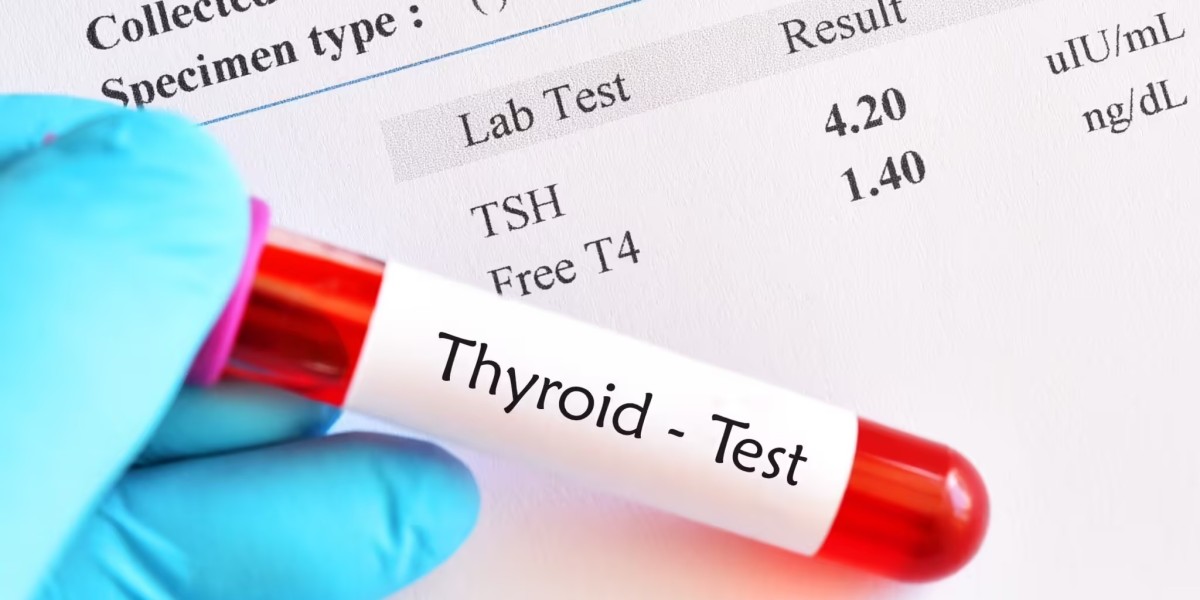
A thyroid function test is a group of blood tests designed to measure the levels of thyroid hormones and thyroid-stimulating hormone (TSH) in your bloodstream. These hormones control how efficiently your body converts food into energy and regulate numerous bodily functions.
Rather than being a single test, thyroid function testing usually includes several laboratory measurements that provide a complete picture of thyroid health. Doctors use these results to diagnose thyroid disorders, monitor ongoing treatment, and evaluate the effectiveness of medications.
Why Is a Thyroid Function Test Important?
The thyroid gland influences nearly every cell in your body. Even slight imbalances in hormone production can lead to noticeable health problems.
A thyroid function test helps healthcare providers:
Diagnose hypothyroidism (underactive thyroid)
Detect hyperthyroidism (overactive thyroid)
Monitor thyroid medication
Evaluate thyroid nodules or goiter
Identify autoimmune thyroid disorders
Assess unexplained symptoms related to metabolism
Early diagnosis allows timely treatment, helping prevent long-term complications affecting the heart, bones, fertility, and mental health.
What Does a Thyroid Function Test Measure?
Several blood markers are evaluated during thyroid testing.
Thyroid Stimulating Hormone (TSH)
TSH is produced by the pituitary gland and signals the thyroid to produce hormones. It is usually the first test ordered because it is highly sensitive to thyroid dysfunction.
High TSH may indicate hypothyroidism.
Low TSH may suggest hyperthyroidism.
Free T4 (Thyroxine)
Thyroxine (T4) is the primary hormone produced by the thyroid gland. Measuring free T4 helps determine how much active hormone is available in the bloodstream.
Free T3 (Triiodothyronine)
T3 is the active thyroid hormone responsible for many metabolic functions. It is particularly useful when evaluating suspected hyperthyroidism.
Thyroid Antibodies
In some cases, doctors may also request antibody testing to diagnose autoimmune thyroid diseases such as Hashimoto's thyroiditis or Graves' disease.
Who Should Get a Thyroid Function Test?
Your healthcare provider may recommend thyroid testing if you experience symptoms suggesting thyroid imbalance.
Common symptoms of hypothyroidism include:
Constant fatigue
Weight gain
Dry skin
Hair thinning
Depression
Cold intolerance
Constipation
Slow heart rate
Symptoms of hyperthyroidism include:
Unexplained weight loss
Anxiety
Tremors
Rapid heartbeat
Heat intolerance
Increased sweating
Difficulty sleeping
Frequent bowel movements
Certain individuals are also at higher risk, including:
Women over 35
Pregnant women
People with a family history of thyroid disease
Individuals with autoimmune disorders
Patients taking medications that affect thyroid function
How Is the Test Performed?
A thyroid function test requires a simple blood sample.
A healthcare professional draws blood from a vein in your arm using a sterile needle. The procedure usually takes less than five minutes and causes only mild discomfort.
The collected sample is then analyzed in a laboratory, with results typically available within one or two days depending on the diagnostic center.
Do You Need to Prepare for a Thyroid Function Test?
In most cases, no fasting is required before thyroid testing. However, your doctor may provide specific instructions based on your medical condition or medications.
To ensure accurate results:
Inform your doctor about all medications and supplements.
Avoid taking thyroid medication immediately before the test unless instructed otherwise.
Mention if you are pregnant.
Tell your healthcare provider if you recently had imaging studies involving contrast dye.
Following your physician's recommendations helps improve the accuracy of test interpretation.
Understanding Your Test Results
Thyroid test results should always be interpreted by a qualified healthcare professional because several factors influence hormone levels.
Generally:
High TSH with low Free T4 often indicates hypothyroidism.
Low TSH with elevated Free T4 or Free T3 usually indicates hyperthyroidism.
Normal TSH and thyroid hormone levels generally suggest healthy thyroid function.
Sometimes additional testing may be required if results are borderline or inconsistent with symptoms.
Common Thyroid Disorders Diagnosed Through Testing
Hypothyroidism
Hypothyroidism occurs when the thyroid produces insufficient hormones. The condition develops gradually and often goes unnoticed during its early stages.
Common causes include:
Hashimoto's thyroiditis
Thyroid surgery
Radiation therapy
Certain medications
Iodine deficiency
Treatment usually involves daily thyroid hormone replacement.
Hyperthyroidism
Hyperthyroidism develops when excessive thyroid hormones circulate in the bloodstream.
Possible causes include:
Graves' disease
Toxic thyroid nodules
Thyroid inflammation
Excessive iodine intake
Treatment options may include medications, radioactive iodine therapy, or surgery.
Can Thyroid Problems Be Prevented?
Although not every thyroid disorder can be prevented, maintaining good overall health supports proper thyroid function.
Helpful lifestyle habits include:
Eating a balanced diet with adequate iodine
Getting sufficient selenium and zinc
Managing stress
Exercising regularly
Avoiding unnecessary iodine supplements
Following prescribed thyroid medications consistently
Individuals with a family history of thyroid disease should discuss routine screening with their healthcare provider.
How Often Should You Have a Thyroid Function Test?
Testing frequency depends on your health status.
Healthy adults without symptoms generally do not require frequent testing. However, doctors may recommend periodic screening for individuals with risk factors.
Patients already diagnosed with thyroid disease often require repeat testing every few months to monitor treatment and adjust medication doses.
Your healthcare provider will determine the most appropriate testing schedule based on your condition.
Where Can You Book a Thyroid Function Test?
Convenient access to reliable laboratory services is essential for timely diagnosis. Through Instacare.pk, individuals can search for trusted diagnostic laboratories, compare available services, book a thyroid function test online, and receive professional healthcare guidance. This simplifies the testing process while helping patients make informed decisions about their thyroid health.
Choosing an accredited laboratory ensures accurate results and reliable interpretation by qualified healthcare professionals.
Conclusion
A thyroid function test is one of the most valuable tools for evaluating thyroid health. Since the thyroid gland regulates metabolism, energy levels, mood, and many other essential body functions, identifying hormone imbalances early can significantly improve treatment outcomes.
If you are experiencing symptoms such as persistent fatigue, unexplained weight changes, anxiety, hair loss, or temperature sensitivity, consult your healthcare provider about whether thyroid testing is appropriate. Early diagnosis allows timely treatment and helps prevent long-term complications. For a convenient and reliable testing experience, Instacare.pk enables you to book thyroid function test in lahore from trusted laboratories, making it easier to take control of your health and receive the care you need.