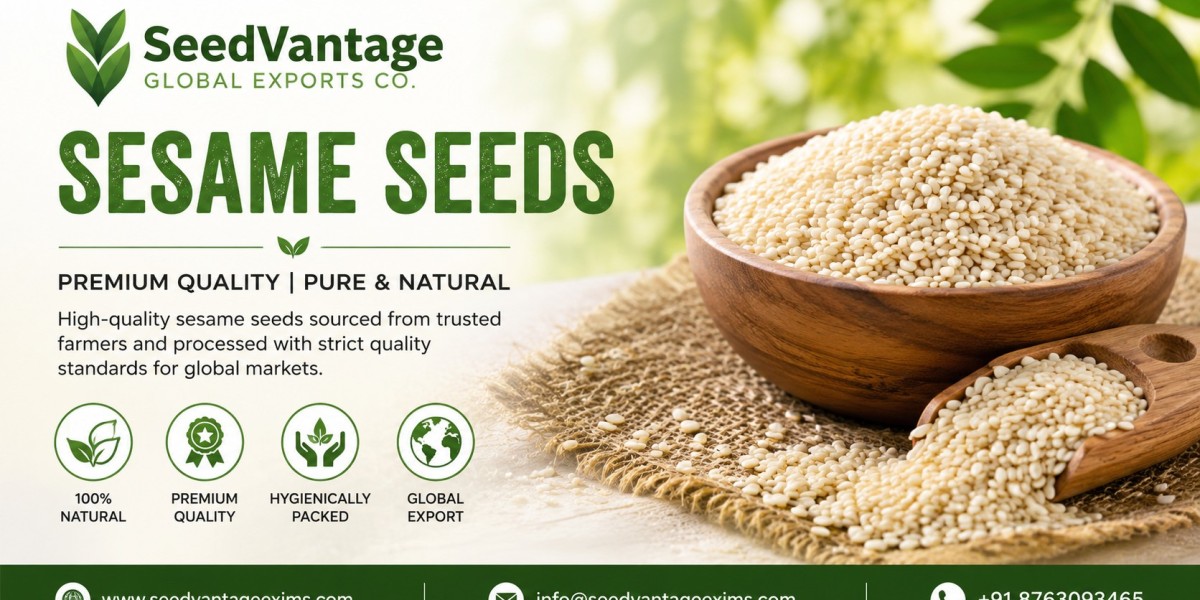

The Shipment Risk Starts After the Quote
—because the real exposure begins once the purchase order is signed. Sesame Seeds look simple, yet one rejected lot can create testing charges, port delays and lost retail orders. In the United States, sesame became the ninth major food allergen on January 1, 2023. Traceability and label accuracy are commercial requirements, not minor paperwork. Most buyers compare prices before fixing the grade. That is backwards.
Put the Grade on Paper Before Asking for Price
Match the Variety to the Application
Natural white, hulled white and black sesame serve different jobs. Bakeries may prioritise colour and seed integrity; tahini processors care about hulling, flavour and oil behaviour; crushers focus on oil content and foreign matter. One generic description cannot cover all three.
The Numbers That Belong in the Contract
SeedVantage lists natural sesame at 99.9%–99.99% purity, 48%–52% oil and maximum 6% moisture. Its hulled grade is listed at 99.95%–99.99% purity and maximum 4% moisture, while black sesame is listed at 99%–99.5% purity. Use those figures as a starting point, then define crop year, damaged seeds, admixture, treatment, test method, packaging and tolerance in writing. A pretty sample is not a repeatable grade.
The Detail Buyers Usually Miss
Nobody tells you how difficult moisture control becomes after dry seed spends weeks inside an ocean container. Ask about bag material, inner liners, container inspection and condensation protection. The approval sample should carry the same lot reference as the cargo.
Five Supplier Answers Worth Testing
1. Destination Compliance
A credible answer names the market, test panel and documents. “We export everywhere” is not an answer.
2. Lot-Specific Test Evidence
Request the laboratory, report date and lot reference. “Standard COA available” often means an old report from another shipment.
3. Residue Control
For the European Union, a default pesticide maximum residue level of 0.01 mg/kg applies where no specific MRL exists. Saying farmers “use very little pesticide” is opinion, not evidence.
4. Written Failure Remedy
The agreement should cover replacement, credit, re-testing and related costs. A supplier who handles defects “case by case” has no policy. Buyers usually lose that negotiation after arrival.
5. Repeatable Supply
Ask about crop source, monthly availability, lead time and substitutions. “Unlimited quantity” is a bad answer when season, grade and packing remain unclear.
Better Sesame Seeds Buying Protects Margin
Fewer Shipment Holds
Lot-level microbiology, allergen and residue checks reduce detention, re-testing and delayed production risk.
Steadier Processing Results
Controlled moisture, admixture and seed size support predictable roasting, hulling, grinding and oil extraction.
Lower Complaint Exposure
Sesame is one of nine major allergens recognised under United States law, so traceability and correct declarations protect retailers and private-label brands.
Clearer Landed Cost
A higher ex-works price may cost less after cleaning loss, demurrage, rejected bags and emergency replacement are counted.
Stronger Product Consistency
Defined colour, flavour, pack size and documents help buyers repeat the finished product. And yet, too many teams approve the cleanest sample instead of the most repeatable specification.
Availability: Buying from India Is a Logistics Decision
There exist sesame seeds manufacturers in India who are engaged in processing various kinds of sesame seeds that are natural, hulled, white, black, and organic as well. SeedVantage is a company found in Rourkela in the state of Odisha which has its own sesame seed page mentioning 15 export destinations which include the USA, the UK, Germany, Japan, Saudi Arabia, and Singapore.
Geography matters. The varied process of loading the cargoes inland and at ports in western India makes it imperative to verify the port of shipment, sailing date, and transshipment route. Leading exporters of sesame seeds in India deal with this entire process of ensuring that the origin, testing, necessary paperwork, and vessel timings are coordinated rather than leaving everything for the buyer to sort out.
About Us: What We Control Before Dispatch
We manage sourcing, inspection, cleaning, grading, packing and dispatch coordination as separate control points. Our website lists six business and regulatory documents: GST, APEDA, IEC, FSSAI, MSME and Udyam registrations. We know a lot is not ready merely because the sample looks clean. The grade, bag, lot reference and paperwork must agree before cargo moves.
That discipline supports importers, processors, food brands and Sesame Seeds Suppliers seeking dependable Indian supply.
Send a Purchase Brief We Can Quote Properly
Send us four essentials: variety, target specification, pack size and destination port. Add quantity, required tests, private-label needs and delivery window. We will target acknowledgement within one working day, while MOQ is confirmed according to grade, treatment, packaging and destination.
Contact us at info@seedvantageexims.com or through either of the two phone numbers published on our website.
Conclusion: Buy the Evidence, Not the Sample
Importing Sesame Seeds will become safer if the contract establishes the quality grading, testing, fixing remedies and logistics ahead of setting up a price. The allergen rule introduced in the US on January 1, 2023, shows how any tiny ingredient can escalate into a compliance headache. Buyers that include proofs in their purchase order will find themselves in a better position as food safety standards become stricter.
FAQs
1. What precautions should one take before buying Sesame Seeds for import?
There are ten issues that one must fix before pricing them: variety, purity, moisture, admixture, microbiology, residues of pesticides, packing, harvest year, traceability and destination documents.
2. How can I be sure that the manufacturer is reputable enough for Sesame Seeds?
One needs to request lot-specific COA, registration details, written conditions of treatment, and testing according to regional requirements. Any claims on "international quality" without proofs disqualify the vendor.
3. Does the best organic sesame have no residue?
No. Being an organic product is not a guarantee of having no residues. The important thing is to verify the particular batch.
4. What Should I Ask Sesame Seeds Suppliers Regarding Salmonella?
Ask for sampling procedure, test procedure, lab, and lot reference number. The term “absent” is important only if the report pertains to the cargo being bought.
5. Do Sesame Seeds Manufacturers in India offer custom packaging?
According to SeedVantage, packaging is possible. Customization is dependent on quantity, packaging material, artwork, language, and destination regulations.