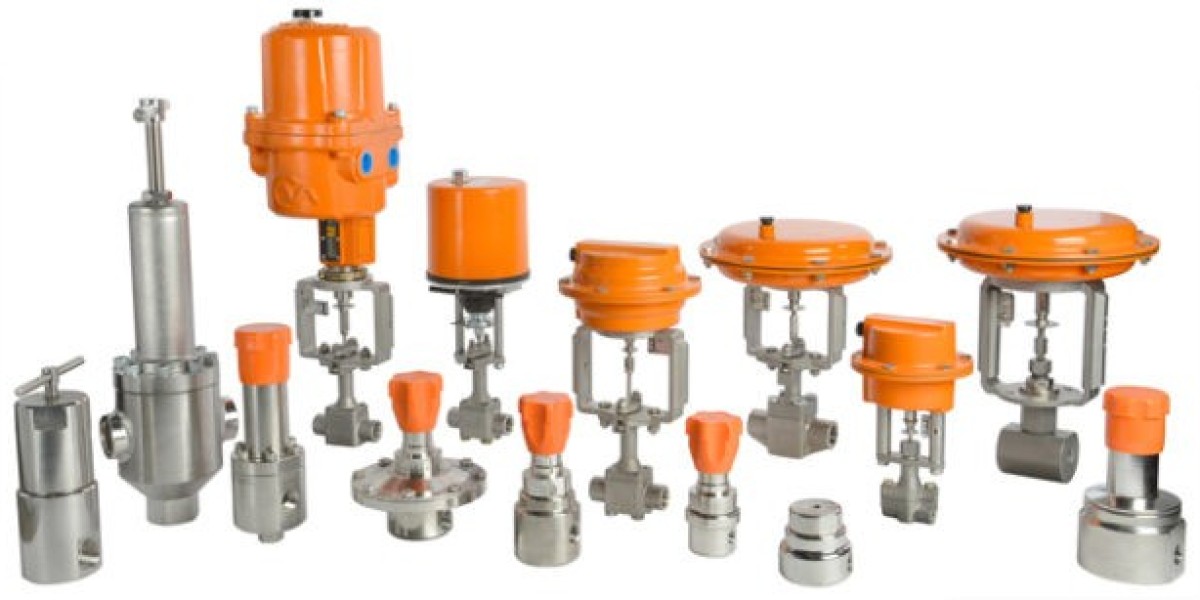

Industrial operations often demand more than simply moving fluids from one point to another. Many applications require the accurate control of small flow rates while operating under high-pressure conditions. In these situations, High Pressure Low Flow technology becomes an essential part of maintaining safe, efficient, and reliable process performance.
Unlike conventional flow control equipment, high pressure low flow systems are engineered to deliver precise regulation without sacrificing strength or durability. They are widely used in industries where maintaining stable operating conditions directly impacts product quality, research accuracy, and equipment performance.
What Is High Pressure Low Flow?
A High Pressure Low Flow system is designed to control relatively small amounts of liquid or gas while withstanding elevated operating pressures. These applications require specialized valves that can deliver smooth and repeatable flow adjustments even in demanding environments.
Because these systems handle both high pressure and low flow simultaneously, they require valve designs that provide exceptional control, dependable sealing, and long service life.
Why Accurate Flow Control Is Essential
Small changes in flow can create significant differences in industrial processes operating at high pressure. Maintaining accurate regulation helps improve both safety and operational efficiency.
Proper flow control offers several important advantages:
- Consistent production quality
- Stable operating conditions
- Reduced process interruptions
- Lower maintenance expenses
- Improved equipment protection
- Greater process efficiency
Reliable flow management allows operators to maintain tighter control over critical applications.
Key Features of High Pressure Low Flow Valves
Precision Flow Regulation
These valves are specifically engineered to provide accurate control of low flow rates. Fine adjustments help maintain process stability and improve overall system performance.
High Pressure Performance
Built with durable materials and robust internal components, these valves are capable of operating reliably in high-pressure environments.
Multiple Valve Designs
Different applications require different configurations. Common options include:
- High Pressure Control Valves
- High Pressure Angle Control Valves
- Heavy Duty Control Valves
- Precision Low Flow Control Valves
Each design is intended to meet specific installation and process requirements.
Typical Industrial Applications
High pressure low flow systems support many industries where precise regulation is essential.
Chemical Processing
Chemical manufacturing often requires controlled dosing and injection systems. Accurate flow regulation improves product quality while reducing waste.
Oil and Gas Industry
High-pressure processing equipment depends on reliable flow control to maintain safe and efficient operation.
Aerospace Testing
Testing facilities require precise control of gases and liquids during equipment evaluation and performance testing.
Research Laboratories
Laboratories and pilot plants rely on accurate flow control when conducting experiments, product development, and system validation.
High Pressure Low Flow Benefits
| Feature | Industrial Benefit |
|---|---|
| Accurate Flow Control | Improves process precision |
| High Pressure Capability | Handles demanding operating conditions |
| Durable Construction | Extends equipment life |
| Stable Performance | Produces repeatable results |
| Low Maintenance | Reduces operational downtime |
| Flexible Installation | Supports various industrial systems |
Selecting the Right Solution
Choosing the correct high pressure low flow valve depends on several factors:
- Operating pressure
- Required flow range
- Process media
- Temperature conditions
- Valve design
- Actuator type
- Required control accuracy
Carefully evaluating these requirements helps ensure long-term reliability and efficient operation.
Frequently Asked Questions
What is meant by High Pressure Low Flow?
It refers to controlling small fluid flow rates in systems operating under elevated pressure while maintaining precise regulation.
Which industries commonly use these valves?
They are widely used in chemical processing, oil and gas, aerospace, research laboratories, pilot plants, and industrial testing facilities.
Why can't standard control valves perform these applications?
Standard valves are generally designed for larger flow capacities. High pressure low flow valves provide the precision and durability needed for specialized operating conditions.
Are these valves suitable for automated systems?
Yes. Many models are available with pneumatic or electric actuators that integrate with modern process automation systems.
What advantages do High Pressure Low Flow systems provide?
They improve process accuracy, increase operational efficiency, reduce maintenance, enhance safety, and provide reliable long-term performance.
Conclusion
High Pressure Low Flow systems are an important solution for industries that require accurate flow regulation under demanding pressure conditions. Their ability to combine precise control with durable construction helps improve efficiency, maintain process stability, and support dependable industrial performance.
As manufacturing technology continues to advance, high pressure low flow solutions will remain essential for organizations seeking greater accuracy, reliability, and long-term operational success.