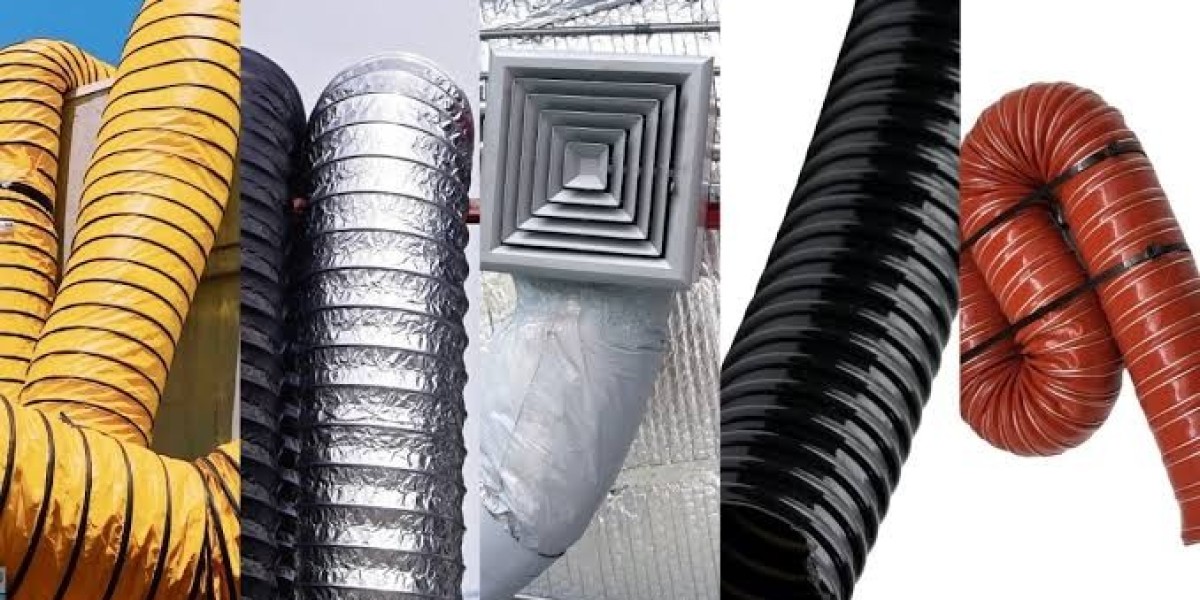

Choosing the right duct system is an important part of building or upgrading an HVAC system. Your ductwork carries heated and cooled air to every room in your home. If you choose the right type, your HVAC system can work better, use less energy, and last longer. Two common choices are flex duct and Rigid Ductwork. Both move air through your home, but they are made differently and perform in different ways. One may be better for your home depending on your budget, the size of your house, and your heating and cooling needs.
A professional Commercial Air Duct Cleaning Service in Cumming and nearby areas can help keep air ducts clean and improve the air inside your building. Many business owners choose MMI because they provide reliable service and experienced technicians.
What Is Rigid Ductwork?
Rigid Ductwork is made from strong materials such as galvanized steel, aluminum, or fiberglass. Unlike flexible ducts, it keeps its shape and does not bend easily.
The inside of a rigid duct is smooth. This allows air to move through the system with very little resistance. As a result, your HVAC system does not have to work as hard to heat or cool your home. Because it is strong, rigid ductwork is often used in new homes, commercial buildings, and HVAC systems that need reliable airflow. It can also last for many years when it is installed and maintained correctly.
Although it usually costs more than a flex duct, many homeowners choose it because it offers better performance over time.
What Is Flex Duct?
Flex duct is made from a wire coil that is covered with plastic and insulation. It is soft and flexible, making it easy to bend around pipes, wires, and other obstacles. Many HVAC contractors use flex ducts because it is lightweight and quick to install. It also works well in tight spaces where rigid ducts may not fit easily. However, flex ducts can lose their shape if they are bent too much or not supported properly. This can reduce airflow and make the HVAC system less efficient. When installed correctly, a flex duct can still provide good performance, especially for short duct runs.
Read Also: What’s the Best Time of Year for Air Duct and HVAC Cleaning?
Airflow Performance
Rigid Ductwork has a smooth inside surface, so air moves easily through it. This helps every room stay at a more even temperature.
Flex ducts have ridges inside that slow the airflow. If they bend or sag, even less air can pass through. If you want better airflow, Rigid Ductwork is usually the better choice.
Energy Efficiency
Good airflow helps your HVAC system use less energy.
Because Rigid Ductwork lets air move freely, the system does not have to work as hard. This may help lower your energy bills. A flex duct can also save energy, but only if it is installed correctly. Bent or sagging ducts reduce airflow and increase energy use.
Durability and Lifespan
Rigid Ductwork is made from strong materials that last for many years. It keeps its shape and is less likely to get damaged. Flex ducts are softer and can tear or sag over time. This may lead to repairs or replacement sooner.
Installation Process
Flex duct is easier and faster to install because it bends around obstacles. Rigid Ductwork takes more time to install, but it gives better airflow and lasts longer. Professional installation is important for both types.
Maintenance and Cleaning
Clean ducts help your HVAC system work better. Rigid Ductwork is easier to clean because its smooth surface collects less dust.
Flex duct can trap more dirt inside its ridges, making it harder to clean.
Indoor Air Quality
Clean ductwork helps improve indoor air quality.
Rigid Ductwork collects less dust and dirt, so it helps keep the air cleaner. Flex duct may collect more dust and moisture if it is damaged or sagging.
Noise Levels
Rigid Ductwork may carry more sound because it is made from hard materials. Flex duct can be quieter because its insulation helps reduce noise. Proper installation helps both systems run quietly.
Best Uses for Rigid Ductwork
Rigid Ductwork is a good choice if you want:
Better airflow.
Lower energy costs.
A strong and long-lasting duct system.
Easier cleaning and maintenance.
Although it costs more at first, many homeowners choose it because it lasts longer and performs better.
Common Installation Mistakes to Avoid
Even the best duct material will not perform well if it is installed incorrectly.
Some common mistakes include:
Choosing the wrong duct size.
Leaving air leaks around joints.
Making too many sharp bends.
Allowing flex ducts to sag.
Failing to support the ducts properly.
Skipping insulation where it is needed.
These problems reduce airflow and force the HVAC system to work harder. Proper installation by trained professionals helps prevent these issues.
Which Option Offers Better Long-Term Value?
When comparing long-term value, Rigid Ductwork usually comes out ahead.
It costs more to install, but it offers better airflow, greater durability, and lower maintenance needs. It may also help reduce energy bills because the HVAC system does not have to work as hard.
Flex ducts are less expensive at first and work well in many homes. However, it may need repairs or replacement sooner if it becomes damaged or loses its shape. Many HVAC experts recommend using both systems together. Rigid ductwork can be used for the main trunk lines, while short sections of flex duct connect to ceiling or wall vents. This design gives homeowners the benefits of both materials.
Summary
Both flex duct and Rigid Ductwork have important roles in modern HVAC systems. Flex duct is affordable, lightweight, and easy to install. It is a good choice for short duct runs and areas with limited space.
However, Rigid Ductwork is often the better option for homeowners who want stronger airflow, better energy efficiency, easier maintenance, and a longer-lasting system. Its smooth interior helps air move more freely, making the HVAC system work more efficiently.