
Water leakage is one of the most common problems affecting residential, commercial, and industrial structures. When water penetrates concrete surfaces, cracks, joints, or underground sections, it gradually weakens the structure and increases maintenance costs. This is where PU Grouting has become a preferred solution for engineers and property owners. Polyurethane grouting is an advanced repair technique designed to seal cracks, stop active water seepage, and restore structural integrity without extensive demolition or reconstruction.
Unlike traditional repair methods, polyurethane grouting works by injecting specialized resin into cracks and voids. Once injected, the material expands and fills gaps, creating a watertight barrier that prevents further leakage. This process is widely used in basements, retaining walls, tunnels, foundations, water tanks, lift pits, and underground structures where moisture intrusion is a recurring concern.
Why Water Leakage Requires Immediate Attention
Many property owners ignore small leaks, assuming they are minor issues that can be repaired later. However, continuous water infiltration can cause significant structural damage over time. Moisture can corrode reinforcement steel, weaken concrete strength, promote mold growth, and damage interior finishes. These problems not only affect the appearance of a structure but can also compromise safety and durability.
The challenge becomes even greater in structures exposed to groundwater pressure. Water continuously searches for pathways through cracks and construction joints. Once a leakage path develops, it can expand rapidly, resulting in recurring maintenance expenses. Addressing the issue early with PU Injection Grouting helps prevent larger repair costs and extends the lifespan of the structure.
What Is PU Injection Grouting?
PU Injection Grouting is a specialized repair method where polyurethane resin is injected under pressure into cracks, honeycombs, joints, and voids within concrete structures. The resin reacts with moisture and expands significantly, allowing it to fill even the smallest openings that are difficult to access using conventional repair techniques.
The expansion capability of polyurethane makes it highly effective for active water leakage situations. Once cured, the material forms a flexible waterproof seal capable of accommodating minor structural movements. This flexibility helps maintain long-term performance, especially in structures exposed to vibration, temperature variations, and settlement-related movements.
How the PU Grouting Process Works
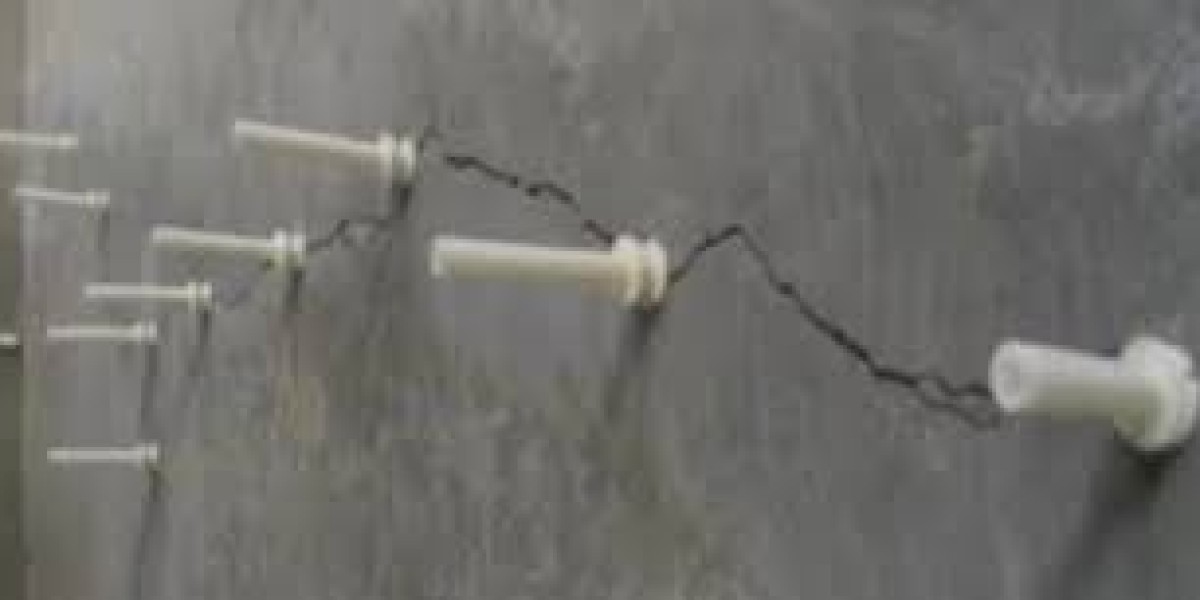
The grouting process begins with a detailed inspection of the affected area. Engineers identify leakage paths, crack patterns, and potential sources of water intrusion. Based on the findings, injection ports are installed along the crack line or leakage zone. These ports act as access points for the polyurethane material during the injection process.
After the ports are secured, specialized pumps inject the polyurethane resin under controlled pressure. The resin travels deep into the crack network and reacts upon contact with moisture. As expansion occurs, the material fills hidden voids and blocks water pathways. Once the injection is complete, the ports are removed, and the surface is restored, leaving behind a durable waterproof barrier.
Key Benefits of PU Grouting
One of the major advantages of PU Grouting is its ability to stop active water leakage without excavation or structural dismantling. Traditional waterproofing methods often require extensive surface preparation and significant downtime. Polyurethane injection allows repairs to be performed quickly while minimizing disruption to building operations.
Another important benefit is its adaptability. The material can penetrate extremely fine cracks that would otherwise remain untreated. The expanding nature of polyurethane ensures complete filling of voids, helping create a comprehensive waterproof seal. This makes the method highly suitable for both preventive maintenance and emergency leakage repairs.
Common Areas Where PU Injection Grouting Is Used
Polyurethane grouting is used across a wide range of structures facing water ingress issues. Basement walls often develop cracks due to soil pressure and moisture exposure. PU injection effectively seals these cracks and prevents groundwater from entering occupied spaces. Similarly, underground parking areas frequently experience leakage through construction joints and slab connections.
Water treatment plants, reservoirs, tunnels, and lift pits also benefit from this technology. These structures are constantly exposed to moisture and hydrostatic pressure, making leak prevention essential. The ability of polyurethane to react with water and form an impermeable seal makes it particularly effective in such demanding environments.
Signs That Indicate the Need for Injection Grouting
Recognizing leakage issues early can prevent major structural complications. Damp patches on walls, peeling paint, water stains, mold growth, and visible cracks are common indicators that water is entering the structure. In underground facilities, continuous seepage through joints or concrete surfaces often signals the need for immediate intervention.
Ignoring these warning signs can result in progressive deterioration. Water penetration may enlarge existing cracks and create new pathways for moisture movement. Professional assessment followed by Injection Grouting Contractors can help identify the root cause and implement an effective repair strategy before the damage becomes extensive.
Why Professional Injection Grouting Contractors Matter
Successful grouting requires more than simply injecting material into a crack. The effectiveness of the repair depends on proper diagnosis, material selection, injection pressure control, and application expertise. Experienced Injection Grouting Contractors understand how different crack types behave and can determine the most suitable grouting approach for each situation.
Professional contractors use specialized equipment designed for accurate resin delivery. They also evaluate environmental factors such as groundwater pressure, structural movement, and moisture conditions. This comprehensive approach ensures that repairs address the actual source of leakage rather than temporarily masking visible symptoms.
PU Grouting Versus Conventional Waterproofing Methods
Traditional waterproofing systems typically focus on surface treatment. While these methods can be effective in certain situations, they may not address water traveling through internal cracks and voids. Surface coatings can deteriorate over time if the underlying leakage path remains active.
In contrast, PU Injection Grouting targets the source of the problem from within the structure. By filling internal pathways, it creates a more direct and reliable barrier against water intrusion. This internal sealing mechanism often results in longer-lasting performance, especially in structures exposed to continuous moisture pressure.
Factors Affecting the Success of PU Grouting
Several factors influence the outcome of a polyurethane grouting project. The condition of the concrete, crack width, moisture content, and injection technique all play important roles. Proper assessment is essential to determine whether the leakage originates from structural cracks, construction joints, or hidden voids.
Material quality is equally important. High-performance polyurethane resins offer superior expansion characteristics, adhesion, and durability. When combined with professional installation practices, these materials provide reliable long-term protection against water infiltration and structural deterioration.
Choosing the Right Grouting Partner
Selecting an experienced contractor is one of the most important decisions in any leakage repair project. Property owners should look for companies with proven expertise in structural rehabilitation, waterproofing, and injection grouting technologies. Technical knowledge, project experience, and quality assurance procedures are valuable indicators of a contractor's capability.
Organizations such as Gubbi Civil Engineers Limited are often considered for complex structural rehabilitation projects because of their engineering-focused approach to repair and strengthening solutions. Working with knowledgeable professionals helps ensure that repairs are technically sound and capable of delivering long-term results.
Long-Term Value of PU Injection Grouting
Investing in timely leakage repairs provides significant long-term benefits. Water damage often leads to escalating maintenance costs, interior deterioration, and structural weakening. By addressing leakage at its source, polyurethane grouting reduces the risk of recurring problems and minimizes future repair expenses. The method also supports sustainability by extending the service life of existing structures. Rather than replacing damaged elements, property owners can restore performance through targeted rehabilitation techniques. This approach reduces material waste, lowers construction disruption, and preserves valuable infrastructure assets.
PU Grouting has become one of the most effective solutions for controlling water leakage and protecting concrete structures from moisture-related damage. Its ability to seal active leaks, fill hidden voids, and create durable waterproof barriers makes it a preferred choice across residential, commercial, and industrial projects. Whether dealing with basement seepage, tunnel leakage, lift pit water ingress, or foundation cracks, PU Injection Grouting offers a practical and efficient repair method. By working with qualified Injection Grouting Contractors, property owners can address leakage problems at their source and ensure long-lasting structural protection. Investing in professional grouting solutions today can help prevent costly repairs and structural deterioration in the future.