
Introduction to Arabic Cuisine in Barcelona
Barcelona, a city known for its vibrant food scene, offers a delightful mix of Mediterranean and international flavors. Among the many culinary influences, Arabic restaurants in Barcelona stand out for their rich heritage, aromatic spices, and warm hospitality. Whether you're a local or a traveler exploring the Gothic Quarter or Barceloneta, these eateries bring the essence of the Middle East right to the heart of Catalonia.
Arabic food emphasizes fresh ingredients, bold spices like cumin, coriander, and sumac, and communal dining. In Barcelona, you'll find everything from classic Lebanese mezze to Moroccan tagines and Palestinian grills. This guide explores what makes Arabic dining special here, popular dishes, and practical tips to enjoy your meal without any hype—just genuine insights.
Why Arabic Restaurants Thrive in Barcelona
The connection between Barcelona and Arabic culture runs deep, influenced by centuries of Mediterranean trade and migration. Many restaurants focus on Levantine, North African, or Gulf-inspired menus, adapting slightly to local tastes while preserving authenticity.
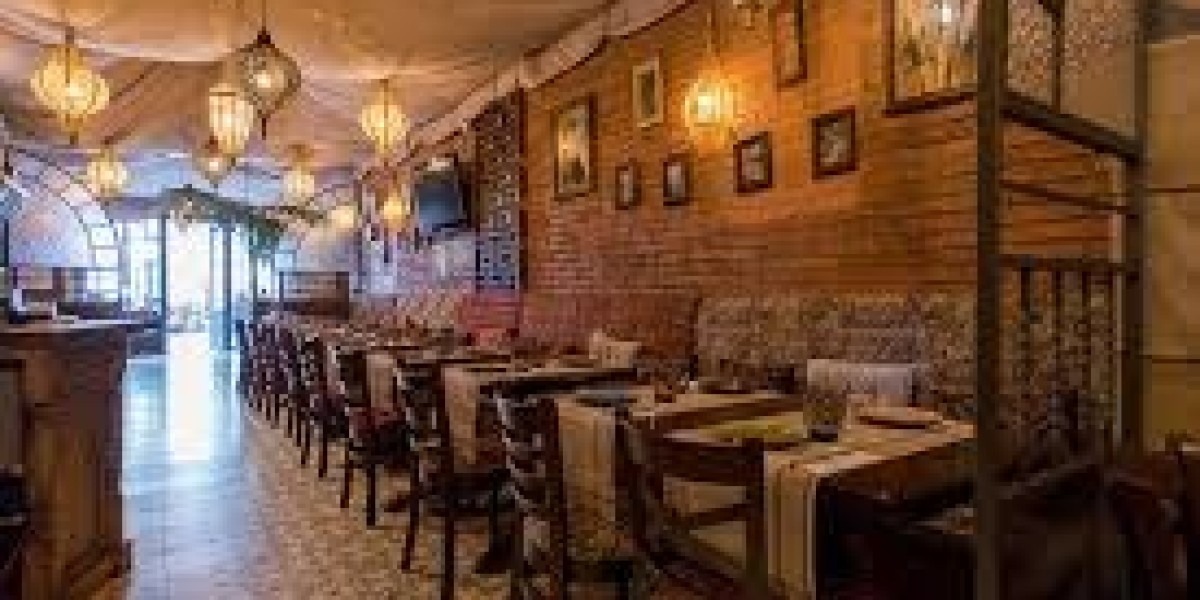
Visitors love the relaxed atmosphere—think colorful tiles, soft lighting, and the smell of freshly baked flatbreads. These places often cater to families, couples, and groups, offering vegetarian-friendly options that align with Barcelona’s growing health-conscious crowd. The city’s diverse population ensures high standards, with many chefs sourcing ingredients locally or importing key spices.
Signature Dishes You Must Try
At any good Arabic restaurant in Barcelona, start with mezze platters. These shared starters include hummus (creamy chickpea dip), baba ganoush (smoky eggplant), tabbouleh (fresh parsley salad), and falafel (crispy chickpea balls). Pair them with warm pita bread and olive oil—simple yet satisfying.
Grilled meats are another highlight. Lamb kofta, chicken shawarma, and beef kebabs arrive juicy and flavorful, often served with rice, grilled vegetables, and tahini sauce. For seafood lovers, Barcelona’s coastal location means fresh catches get a Middle Eastern twist—think grilled octopus with za’atar or shrimp in garlic and chili.
Vegetarian and vegan diners rejoice with options like stuffed vine leaves (warak enab), lentil soups, and ful medames (fava bean stew). Desserts steal the show: baklava layered with nuts and honey, kunafa with cheese and syrup, or creamy rice pudding scented with rose water and pistachios. Finish with mint tea or strong Arabic coffee.
Best Neighborhoods for Arabic Dining
Gracia and El Born: These trendy areas host cozy spots with outdoor terraces perfect for people-watching. The bohemian vibe matches the warm hospitality of Arabic culture.
Raval and Gothic Quarter: Here you’ll find more traditional, family-run places tucked into narrow streets. They offer great value and authentic late-night options, ideal after exploring La Rambla.
Eixample and Barceloneta: More modern interpretations appear, sometimes blending Arabic techniques with Catalan produce. Proximity to the beach makes them excellent for summer evenings.
No matter the area, most places welcome walk-ins, though reservations help on weekends. Many offer lunch menus with excellent value.
What Makes the Experience Unique
Dining at Arabic restaurants in Barcelona goes beyond food. Expect attentive service where staff explain dishes passionately. The ambiance often features subtle Arabic music, beautiful lanterns, and comfortable seating that encourages lingering.
Portion sizes tend to be generous, supporting the sharing culture. Many restaurants accommodate dietary needs—gluten-free, halal, or nut-free—with transparency. Families appreciate children’s options, while date nights benefit from romantic corners and wine lists that pair well with spicy flavors (though traditional spots may focus on non-alcoholic drinks like fresh juices).
Tips for First-Time Visitors
- Timing: Arrive early for dinner (around 8 PM) or enjoy a leisurely lunch. Barcelona’s late dining culture fits perfectly with Arabic hospitality.
- Ordering Smart: Start light with mezze, then move to mains. Ask for recommendations based on spice preference.
- Budget and Value: Quality spots offer good portions without breaking the bank. Sharing dishes maximizes variety.
- Language: English is widely spoken, and many menus include photos or descriptions.
- Nearby Attractions: Combine your meal with visits to Sagrada Familia, Park Güell, or a stroll along the beach for a perfect day.
Exploring Variations: Levantine vs North African
Barcelona’s Arabic scene features diverse influences. Levantine spots (Lebanese, Syrian, Palestinian) shine with fresh salads and grills. North African restaurants (Moroccan, Tunisian) emphasize slow-cooked tagines, couscous, and harissa-spiced dishes. Some fusion places experiment with Spanish-Arabic hybrids, like paella-inspired rice with Arabic spices.
Seasonal specials appear too—lighter dishes in summer, hearty stews in winter. Many use local seafood, tomatoes, and olive oil, creating a beautiful Mediterranean fusion.
Health and Dietary Benefits
Arabic cuisine aligns well with modern wellness trends. Meals focus on whole foods, olive oil, herbs, and legumes. Many dishes are naturally gluten-free or adaptable. The emphasis on sharing reduces overeating while maximizing enjoyment.
For those following specific diets, most kitchens happily modify dishes. Fresh ingredients and balanced spices make these meals satisfying yet light.
Cultural Insights and Hospitality
Arabic dining emphasizes generosity. Bread is sacred, waste is avoided, and guests are treated like family. In Barcelona, this translates to warm welcomes and stories shared over food. Many owners have roots in the Middle East, bringing personal recipes and traditions that enrich the experience.
Festive occasions see special menus—think Ramadan iftar-style spreads or holiday platters. Even regular days feel celebratory.
Planning Your Visit
Research opening hours as some close on Mondays. Check for terrace seating in good weather. Groups larger than six should book ahead. Public transport or walking works well since most spots are centrally located.
Don’t rush—Arabic meals are meant to be enjoyed slowly. Take time to savor flavors and the ambiance.
Conclusion: A Taste of the Middle East in Spain
Barcelona’s Arabic restaurants offer more than just great food—they provide a cultural bridge in a cosmopolitan city. From the first bite of hummus to the last sip of mint tea, every meal tells a story of tradition, adaptation, and hospitality.
Next time you’re in Barcelona, step into this flavorful world. Whether craving comfort food or new adventures, Arabic restaurants deliver memorable experiences that linger long after the meal ends. Enjoy responsibly, explore widely, and let the spices guide you through one of Europe’s most exciting food destinations.