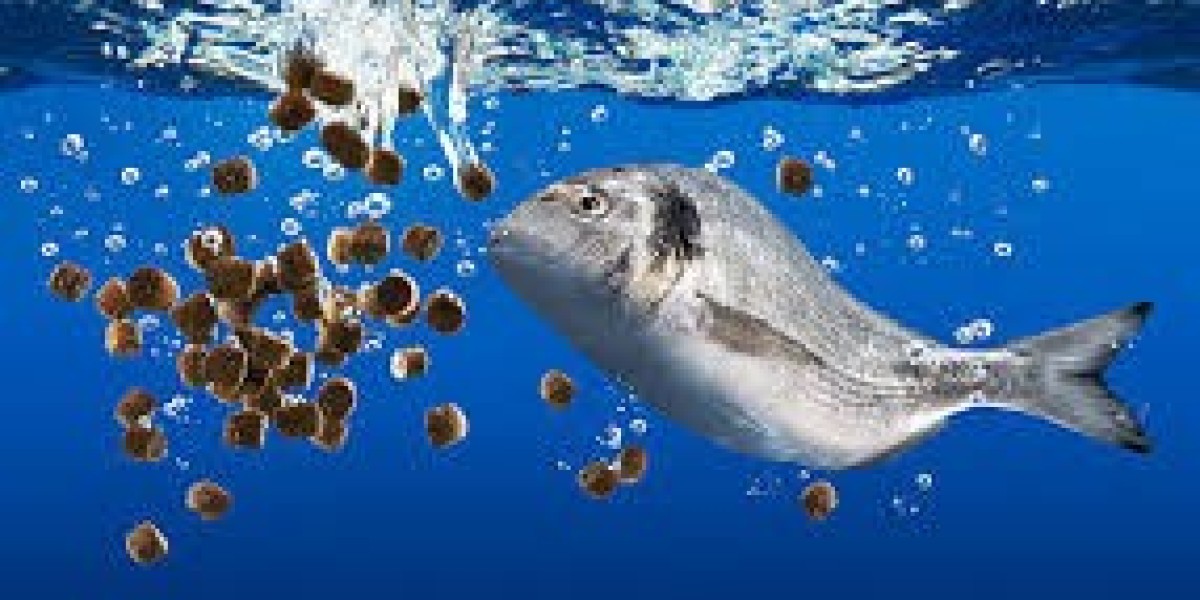

Aquaculture Feed Market Barriers refer to structural, operational, and environmental obstacles that restrict the smooth expansion of the global aquafeed industry. Despite strong demand growth driven by aquaculture expansion, several persistent barriers continue to affect production efficiency, market penetration, and profitability.
High Dependence on Expensive Raw Materials
One of the primary barriers is the reliance on key raw materials such as fishmeal, fish oil, soybean meal, corn, and wheat. These inputs are subject to price volatility due to climate conditions, agricultural output variability, and global trade disruptions. This dependence makes feed production costly and unstable, especially for smaller manufacturers and emerging markets.
Limited Availability of Marine-Based Ingredients
Fishmeal and fish oil, traditionally important components of aquafeed, are constrained by overfishing, strict fishing quotas, and declining marine resources. This limitation creates a structural barrier to scaling traditional feed formulations and forces the industry to transition toward alternative protein sources, which are still under development and cost-optimization stages.
High Production and Operational Costs
Aquafeed manufacturing involves advanced processing technologies, energy-intensive operations, and strict quality control requirements. Rising energy prices, transportation costs, and labor expenses further increase production costs, making it difficult for producers to maintain competitive pricing in price-sensitive markets.
Regulatory Complexity and Compliance Burden
The aquaculture feed industry operates under strict regulatory frameworks covering food safety, environmental protection, ingredient sourcing, and labeling standards. Compliance requirements vary across regions, creating complexity for global manufacturers. Meeting certifications such as sustainability standards and antibiotic-free production increases operational costs.
Environmental Sustainability Constraints
Environmental concerns related to nutrient discharge from aquaculture farms present a major barrier. Uneaten feed and fish waste contribute to water pollution, leading to stricter environmental regulations. These constraints limit farm expansion in sensitive ecosystems and require significant investment in sustainable feed formulations.
Underdeveloped Infrastructure in Emerging Markets
In many developing regions, inadequate cold storage, weak logistics networks, and limited distribution infrastructure hinder efficient feed supply chains. This results in product losses, inconsistent availability, and reduced market access for high-quality feed products.
Technological Adoption Gaps
Although precision feeding and digital aquaculture technologies are advancing, adoption remains uneven. Many small and medium-scale farmers lack access to automated feeding systems, data-driven tools, and advanced monitoring systems, limiting efficiency improvements.
Market Fragmentation and Price Competition
In several regions, the presence of small-scale and unregulated feed producers creates intense price competition. Low-cost alternatives often compete with high-quality commercial feeds, making it difficult for established companies to maintain margins and market share.