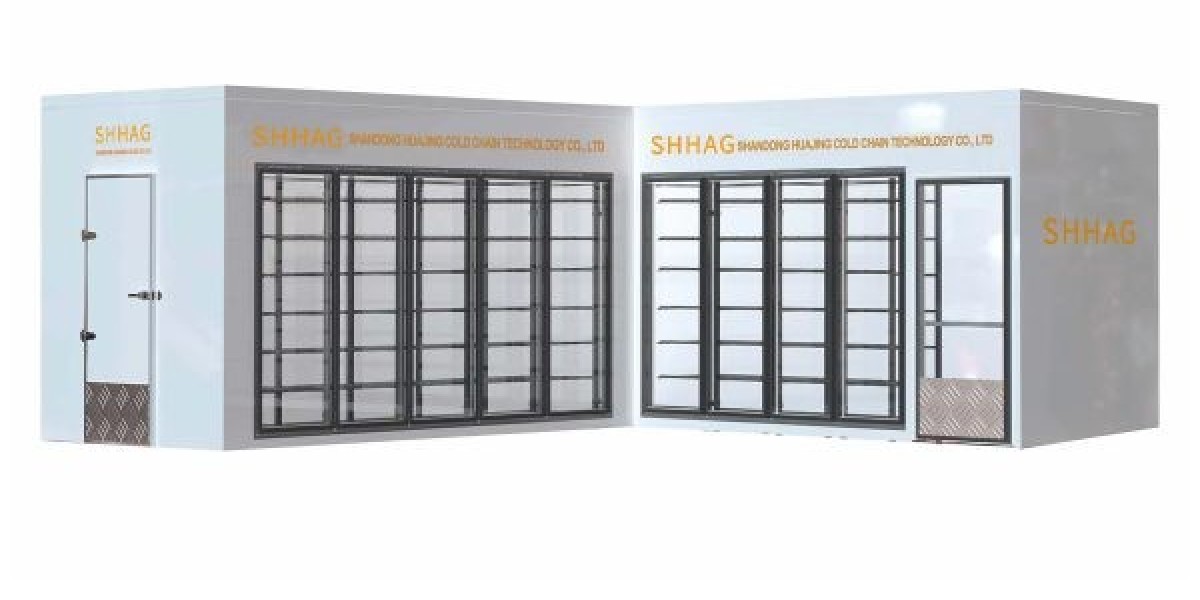

Temperature-controlled storage is essential for businesses that handle perishable products, including supermarkets, restaurants, food distributors, hotels, and commercial kitchens. Maintaining suitable storage conditions helps protect product quality, reduce unnecessary waste, and support daily operations. A well-planned display walk in cooler can combine practical cold storage with convenient product access, making it a useful solution for businesses that need organized refrigeration and efficient inventory management.
Understanding Display Walk-In Cooler Systems
A walk-in cooler is a temperature-controlled room designed to store products in a larger space than conventional refrigerators can provide. Its interior can accommodate shelves, racks, and storage arrangements suited to the business's inventory and workflow.
Display-oriented configurations may also make selected products easier to view and access. This can be valuable in commercial environments where staff need to locate stock quickly or customers need to see available products.
The overall design depends on the intended application, available space, cooling requirements, and the type of products being stored. Businesses should consider these factors before choosing a system.
Benefits of an Organized Walk-In Cooling Environment
A properly planned cold room can support several important aspects of commercial operations.
1. Better inventory organization
Walk-in storage provides room to arrange products by category, delivery date, or storage requirement. Clear organization makes stock easier to identify and helps staff manage inventory more effectively.
2. Convenient product access
A suitable layout allows employees to retrieve products without unnecessary movement. In display-oriented settings, product visibility can also make selection more convenient.
3. Support for product freshness
Perishable goods require appropriate temperature management. A properly selected and maintained cooling system helps businesses maintain the storage conditions required for their products.
4. Efficient use of storage space
Compared with relying entirely on multiple standalone refrigerators, a walk-in system can provide a centralized storage area. Shelving and layout planning help make better use of the available room.
5. Support for daily business operations
Restaurants, grocery retailers, food suppliers, and hospitality businesses often manage frequent deliveries and stock movement. An organized cold room can make receiving, storing, and retrieving products more manageable.
The Importance of Quality Cold Room Panels
Panels are an important part of walk-in cooler construction. They help form the insulated enclosure and contribute to maintaining the required internal environment.
When evaluating cold room panels, businesses should consider insulation performance, panel thickness, construction quality, joint design, durability, and suitability for the intended temperature range. Proper installation is equally important because poorly fitted joints or gaps may affect the overall performance of the room.
The right panel configuration depends on the application. A food distribution facility, retail store, and commercial kitchen may have different requirements regarding room size, access, storage capacity, and temperature control.
Choosing the Right Display Walk-In Cooler
Selecting a cooling system requires careful planning rather than focusing on appearance or storage volume alone. Several practical considerations can help businesses make an informed decision.
Storage requirements: Estimate the quantity and type of products that will be stored. Consider both current inventory and possible future growth.
Temperature requirements: Different products require different storage conditions. The cooling system should be selected according to the specific needs of the inventory.
Available space: Measure the installation area and plan for doors, shelving, ventilation, equipment access, and staff movement.
Cooling system performance: Review the refrigeration equipment, expected operating conditions, energy requirements, and suitability for the intended application.
Display and accessibility: Decide whether products need to be visible to customers, accessible to employees, or arranged for both purposes.
Maintenance and service: Consider cleaning requirements, component accessibility, technical support, and the availability of replacement parts.
Maintaining Hygiene and Temperature Consistency
A walk-in cooler needs regular attention to maintain a suitable storage environment. Cleaning shelves and interior surfaces helps support hygiene, while routine inspections can identify potential problems before they become serious.
Businesses should monitor internal temperatures using appropriate equipment and maintain records where required by their food safety procedures. Doors should not remain open unnecessarily, and products should be arranged to avoid obstructing airflow.
It is also important to inspect door seals, panel joints, drainage arrangements, and refrigeration components. Regular maintenance can help maintain reliable operation and reduce the risk of unexpected interruptions.
Applications Across Different Industries
Display and walk-in cooling solutions serve a wide range of commercial environments. Supermarkets may use them for organized food storage and product presentation. Restaurants and hotels need dependable refrigeration to manage ingredients and support kitchen operations. Food wholesalers and distributors often require larger storage areas to handle inventory before delivery.
Other businesses, including catering companies and specialty food retailers, may also benefit from a cold room designed around their specific products and workflow.
The most effective configuration is one that balances storage capacity, accessibility, temperature requirements, and operating costs.
Building a More Reliable Cold Storage Setup
Cold storage is an important investment for businesses that depend on product quality and dependable daily operations. A carefully designed room, suitable insulated panels, appropriate refrigeration equipment, and consistent maintenance all contribute to effective performance.
For businesses planning a new installation or upgrading an existing facility, exploring a suitable display walk in cooler can help identify a storage solution that supports product visibility, organized inventory, and reliable temperature-controlled operations.